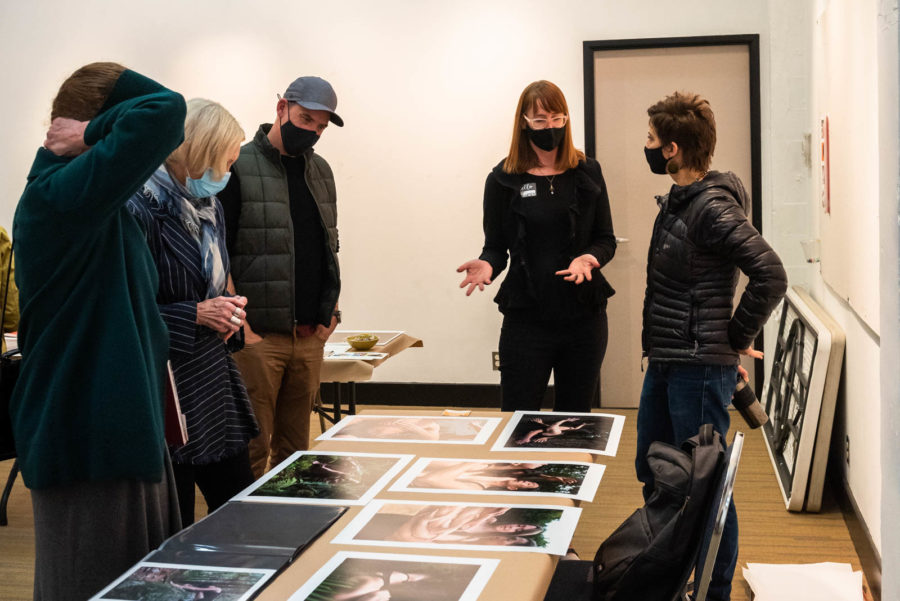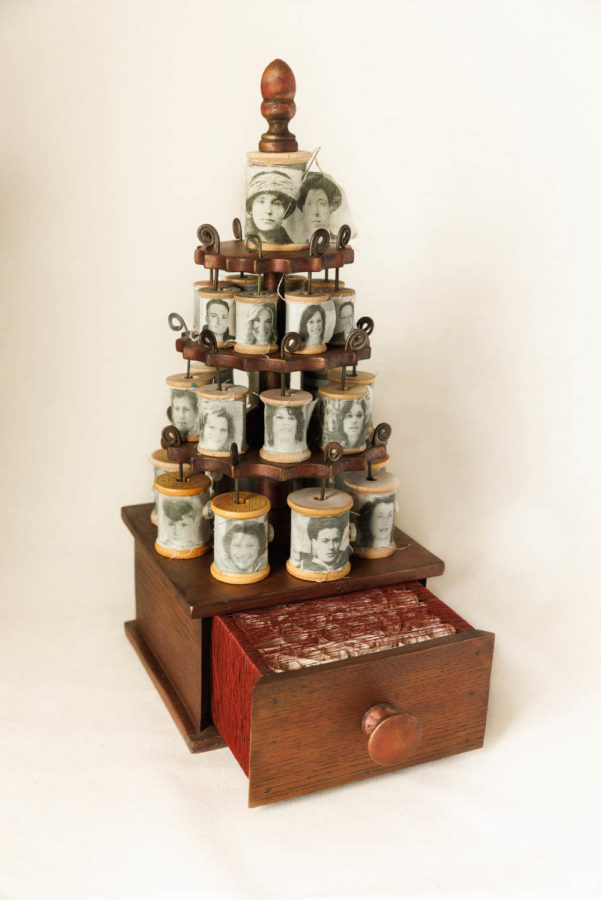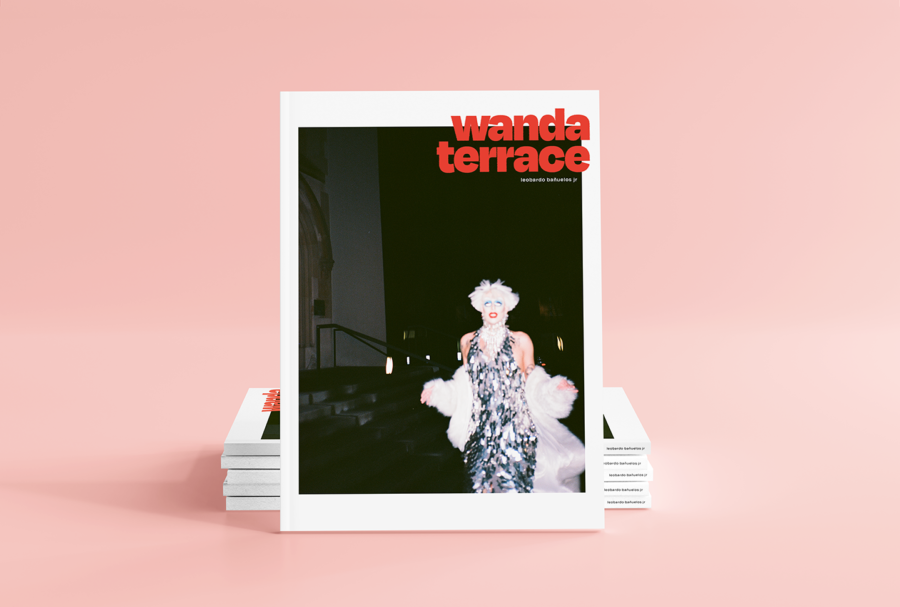
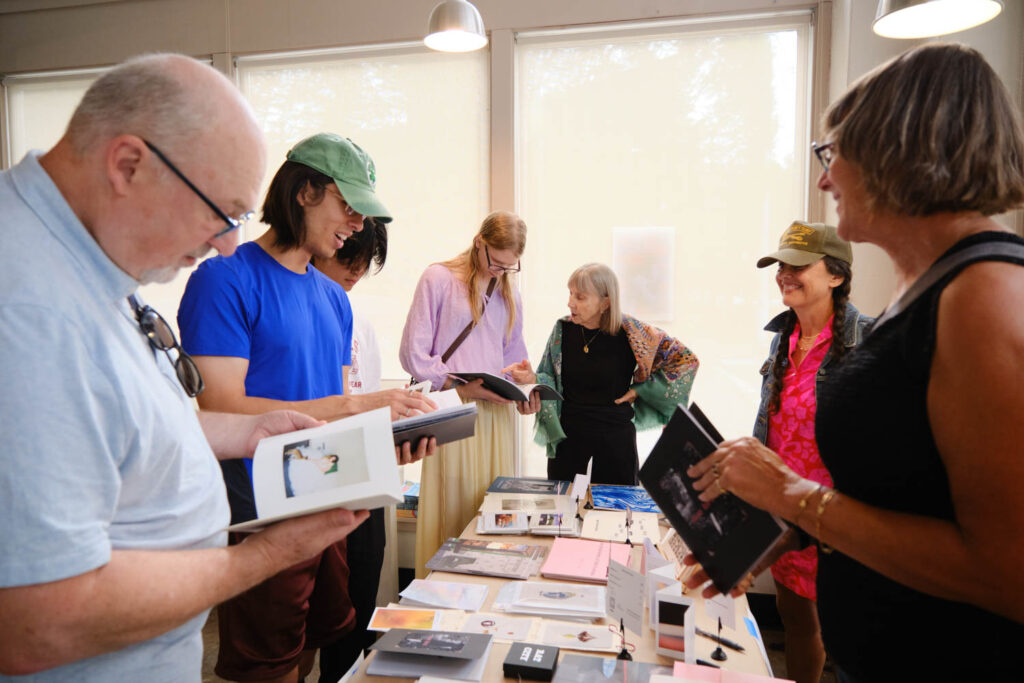
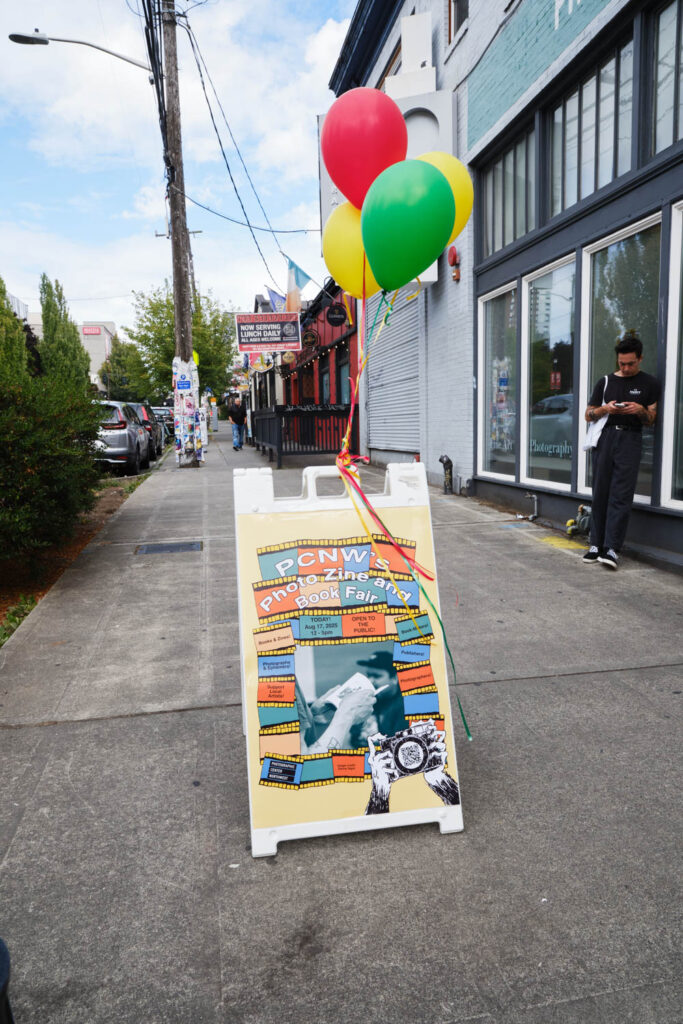
Image Credits: Danny Ngan, PCNW’s Photo Zine & Book Fair 2025
Alumni at PCNW's 4th Annual Photo Zine & Book Fair
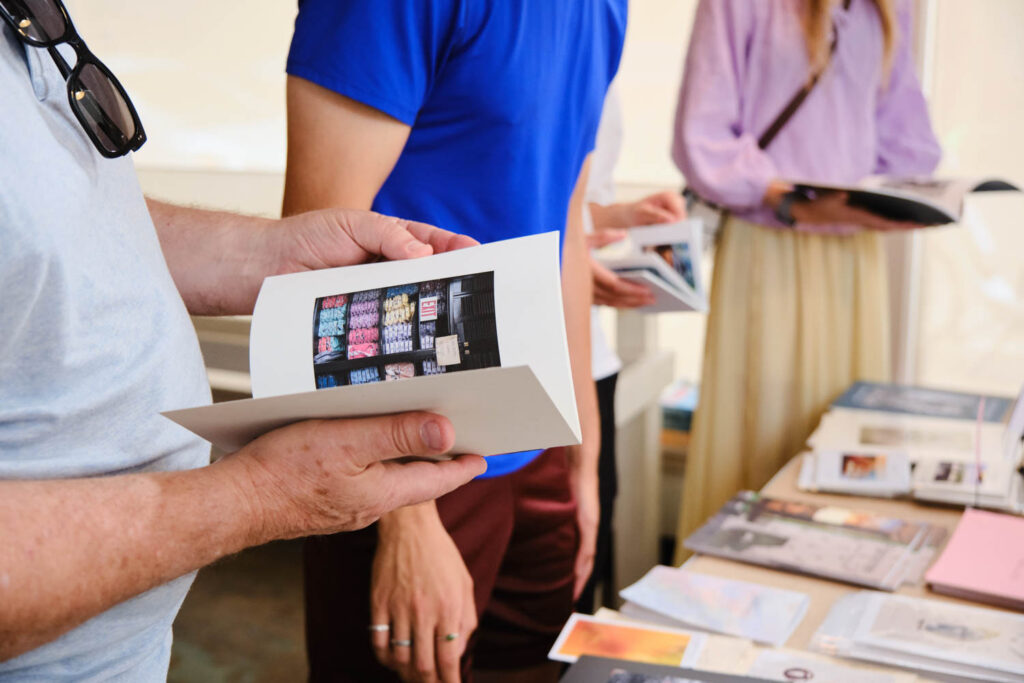
The PCNW Photo Zine and Book Fair in August 2025 was great fun! The following alumni participated as exhibitors: Lisa Ahlberg, Rachel Demy, Sarah Dawn King, Bellen Drake, Gwen Emminger, Cian Hayes of Solas Gallery, Holly Pendragon, Matt Ragen, and Cheryl Hanna-Truscott.
Alumni Highlights
Chris Letcher
graduated 2013
interview by Jenn Reidel, grad. 2000
How did your career begin in photography?
I spent a lot of time at the Walker Art Museum as a child, which developed my interest in contemporary art. As someone whose formative years were difficult and nomadic, I found the ambiguity of abstract art an escape from the specificities of day to-day life. I started as a painter, and my first experience in photography was using Polaroid B&W peel-apart film, as a subset of my painting.
Years later, I bought a camera and film, just as Polaroid closed. I looked around and saw that PCNW taught the Zone System. I had no idea what that was, but it sounded interesting, so I signed up for B&W 1. My teacher, Jahnavi Barnes, encouraged me to get a 4×5 camera, and within the year, I realized that photography was the language I spoke. That was an intense realization. After B&W, I studied color under Seth Thompson and found something profound in that. I decided to go through the thesis program at PCNW. That sort of continuous engagement is really the best way to hone your craft. I wouldn’t be the artist I am today without that community at PCNW.
Describe your work since your 2013 PCNW thesis show, Constructure.
I was invited to Review Santa Fe. I was born in New Mexico (but grew up in Detroit) and attended St. John’s College in Santa Fe. I decided to visit my hometown of Tucumcari. It had fallen into utter disrepair, much like Detroit. The same economic forces that devastated Detroit did the same in small-town New Mexico. I’ve spent the last ten years working on a project related to juxtaposing those environments. I had family in Texas and spent time in the oil fields there, capturing the failures of capitalist society and that which gets left behind. These sculptural monuments and moments bear witness to man’s ceaseless endeavors. That to me is the critical part of what I’m photographing, that these are traces of our history, but I’m not presenting it specifically for that purpose. I’m bending it to my ideas and aesthetics.
There is a painting by Paul Klee, Angelus Novus. Frankfurt School author Walter Benjamin wrote about it: “Where we perceive a chain of events, he sees one single catastrophe which keeps piling wreckage upon wreckage and hurls it in front of his feet. The angel would like to stay, awaken the dead, and make whole what has been smashed. But a storm is blowing from Paradise; it has got caught in his wings with such violence that the angel can no longer close them. This storm irresistibly propels him into the future to which his back is turned, while the pile of debris before him grows skyward. This storm is what we call progress.”
I called my project “Angelus Novus.” For ten years I logged thousands of miles across my family’s history in Texas, New Mexico, and Detroit. I drew a line from my family tree, but not tracing it. Capturing this history in a way that has nothing and everything to do with it, making it universal. This project also captures elements of the forces that have created these cities, these landscapes, these sculptures of rebar, concrete, wood, and metal that rise and collapse with us. I feel like I’m working on an archaeology of the present.
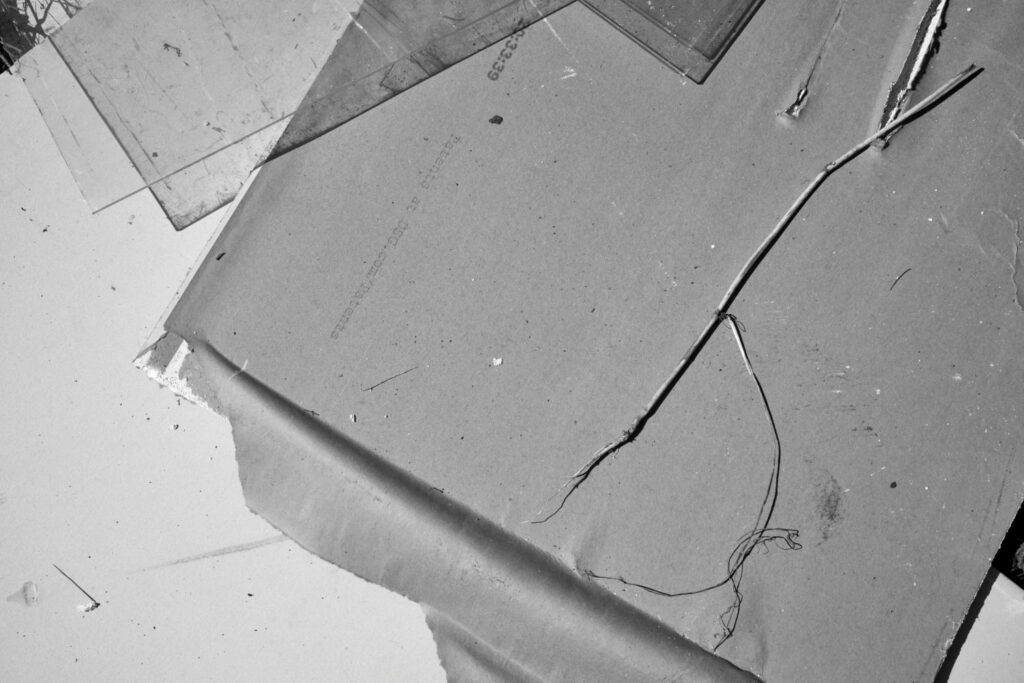
There are entropic elements in your photography. What aesthetic choices do you make to visually represent disorder, decay and randomness?
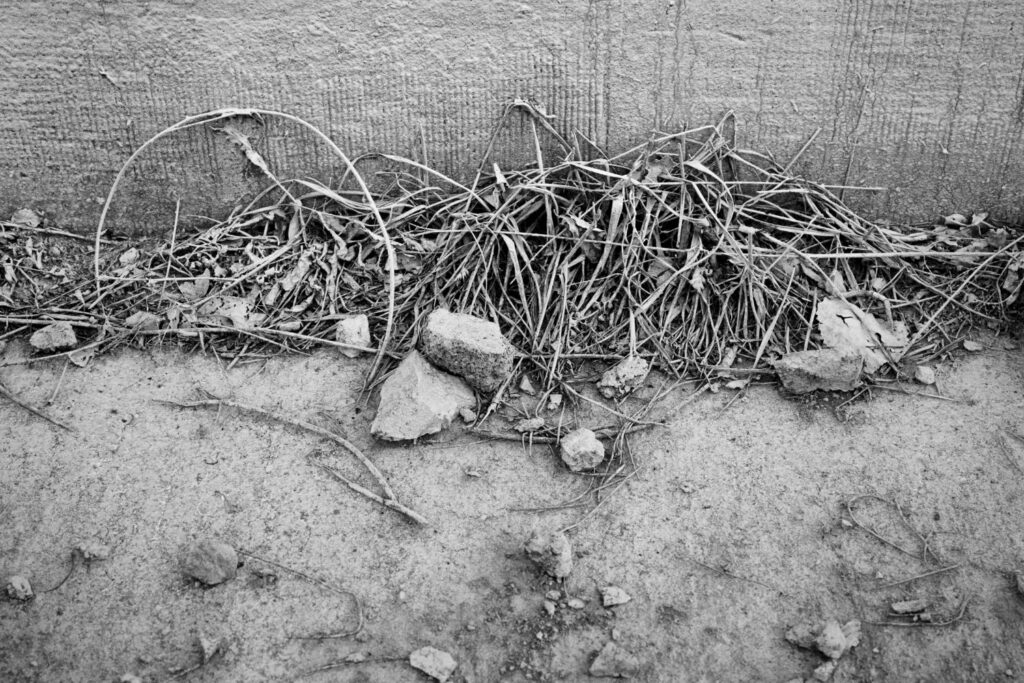
Focusing on details while exploring the nature of scale presents the second law of thermodynamics in all its chaotic glory. To challenge the photographic image, I’ve tried to see how little I could put into the frame. Sometimes just some rocks a truck sprayed as it left the concrete foundation, all that’s left of a building, or nails creating a pattern on a fallen wall where a motel burned down. The viewer doesn’t see that gestalt, just the miniscule end result there in the image. A microscope on those forces in play.
What are the challenges in photographing your subject matter, particularly the nature of decay in your series Angelus Novus – Residential, for instance?
Houses in poverty-stricken areas often get abandoned and fall into disrepair. I was driving around and found block after block of these structures, and it struck me that they’re no longer houses, perhaps sculpture now. Donald Judd wrote about the serial nature in art, “One thing after another…” So, a grid of photographs came to mind. They’re documentary images, but what they capture are objects that no longer serve a residential function, yet that is how someone viewing those might think of them. That contradiction is there, though not easily parsed.
How do you choose what you’re going to photograph?
For the most part, I respond to the constant flux of the world around me. I grew up in Detroit, used to ride bikes as a kid on trails near the rail yards by the GM plant, just before that industry failed. Lived in southern Minnesota near a gravel pit that was the county dump. At one point, I lived in northern Minnesota after the failure of the taconite industry, plant closures, and an area of destitution. Stayed with grandparents in Amarillo, Texas, who lived in a trailer next to an oil refinery. These experiences shaped my view towards the landscape I find interesting. I have done work (Constructure) with things being built, that raw elemental state as materials are on their way to becoming a “thing.”
When I studied philosophy in college, we discussed the notions pertaining to matter and its properties, exploring how it is as beings that we come to comprehend anything. My perceptions of consciousness and those relationships affected how I lens things. This made photographing things in their flux of being built or decaying a method to capture those ideas in something more elemental than the specificity of their mere being. That’s where I can capture the movement that I hope reveals something about the texture of the world. Definitely a mix of emotional response to experiences I’ve had, along with the intellectual exploration of what constitutes our reality. I single out capitalism because it’s man’s appetitive nature by another name, a mirror of our desires.
All these things tangle together in my visual flow, so I’m constantly attracted to similar areas and types of materials and situations as I travel. I was in Vienna this year, and I started noticing these little corner areas where a building would transition from an older to a newer one. Sometimes there would be some decay in that space, full of the flotsam and jetsam of those small things we toss away that got caught in these angular little spaces. I’ve moved around so often that I’ve always felt outside of society; to me, this is where I find humanity, evidence in these liminal areas. Whether it’s the streets of Vienna or oil fields in Texas.
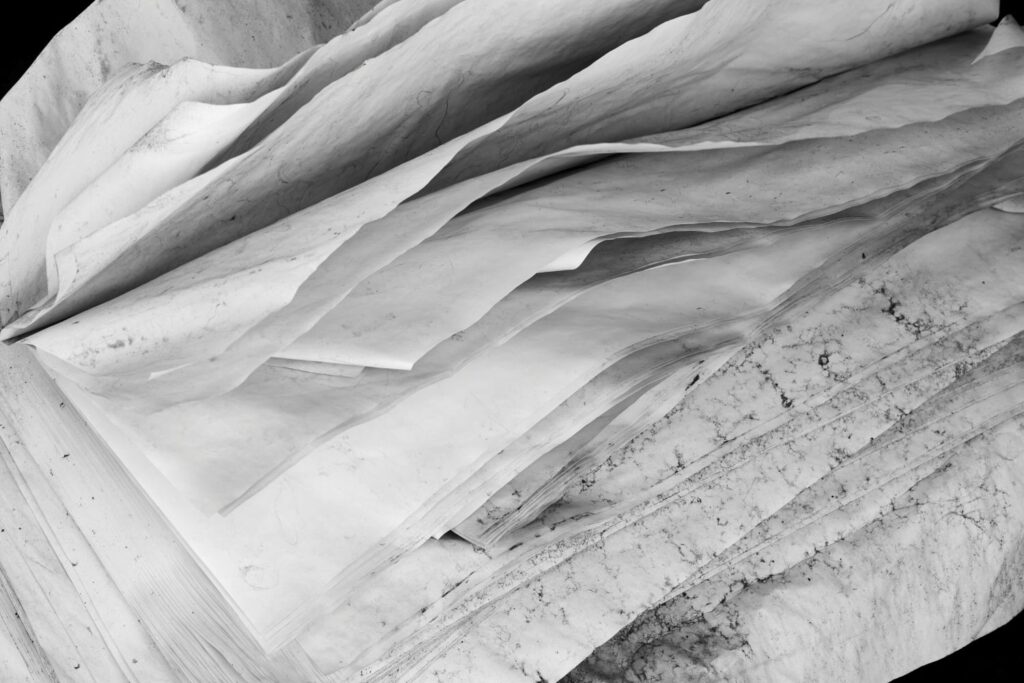
What subjects are you exploring now?
This spring, I started shooting in B&W, something I haven’t done in a long time. The last year and a half, I had a spate of personal issues, including a water pipe break this January, which destroyed my house. I was semi-homeless, wandering, and the US was collapsing. I was in Cleveland and discovered a desolate industrial area. I imagined the religious notion of Left Behind, the apocalyptic concept of the rapture. Considering my ideas on capitalism and my interest in what it leaves behind, I’ve often said that my interests are eschatological, that after the apocalypse, there will be the same stuff, only now in stillness, like the Zone in Tarkovsky’s film, Stalker. Those shots where we see the abandoned areas.
The photos I took were familiar imagery, but I was in a heightened emotional state as the world seems ever closer to something dire. I’d been feeling moribund for the last year, but now I was invigorated. Who doesn’t love an end-of-the-world story? It did feel good to get the creative juices flowing again. But I’m not sure where to continue with photography.
For many years, I’ve been gathering fabric from shops in the fashion district in Los Angeles and in New York, wanting to do something with that material. As I move back into my now-repaired house, I set up my sewing machine and have thoughts about textile art. Combining that with painting, since that’s where I began. I spent ten years working in ceramics at Pottery Northwest and love the experience of working with different materials. I also captured video, adding time to the photographic component.
I want to experiment more with the photographic image structure itself. I’m working with digital negatives to make prints in the darkroom. Some of this might be manipulating existing photographs, and some of it might be scanning whatever. With the photographic glut on the internet and AI slop increasing, that sense of abstraction, free from the literal and the specific, might mean working outside of or obliterating photographic images. To find that sublime experience, something where we can be present in this world and eschew that other.
Michael Fried wrote, “We are all literalists most or all of our lives. Presentness is grace.”
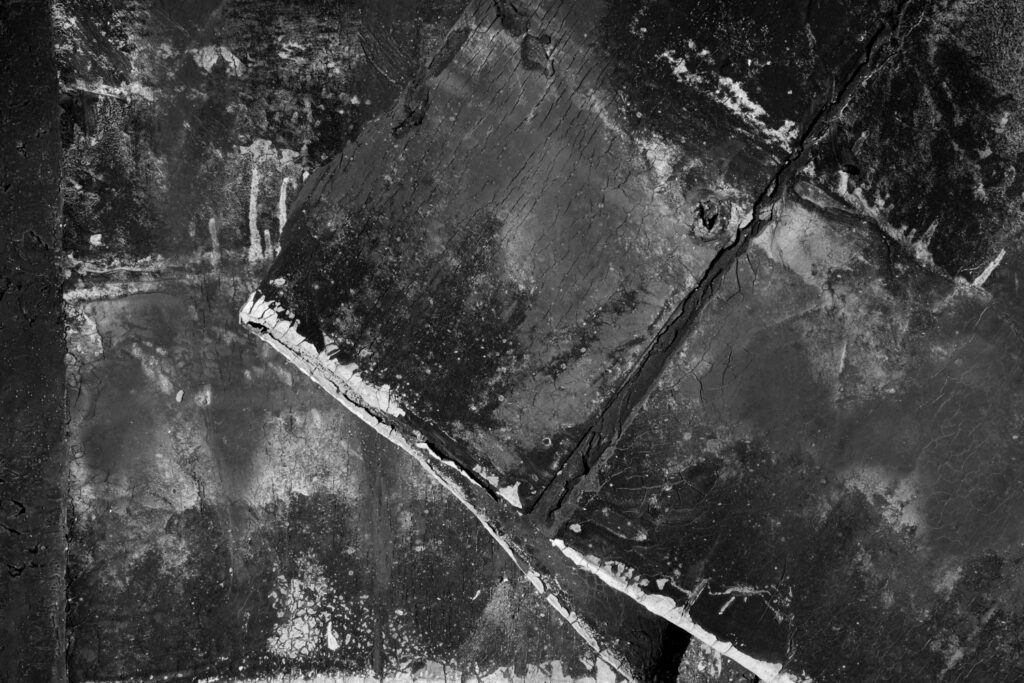
Do you work with film or digital media? What does your process look like?
I work with film and digital. Most of my work has been done with a 4×5 view camera. The biggest problem for me was the closure of most color darkroom printing facilities. Locally, PCNW closed theirs, then Evergreen. I bought an inkjet printer some years ago. I would prefer to print in a darkroom, as I work in tech and hate spending more time in front of a screen, but I’m finding it a good way to work with what I have.
I bought a digital camera during COVID, thinking I was going to scan my negatives. Instead, I used it for light-weight travel to go out into the strange new world of that time. I need to get back to scanning since the bulk of my work is in negatives and prints. But there’s always the next thing…
There was a photograph I took in Detroit, something I saw where the light was beautiful. It was so cold out that the bellows on my 4×5 cracked. I was bummed at the time that I had to shoot this with 35mm, “I wished I’d used the 4×5.” But it was more than good enough. Too often, people focus on the quality thing, making their case for analog or digital, but there is “good enough,” and the important thing is to get out there and make work.
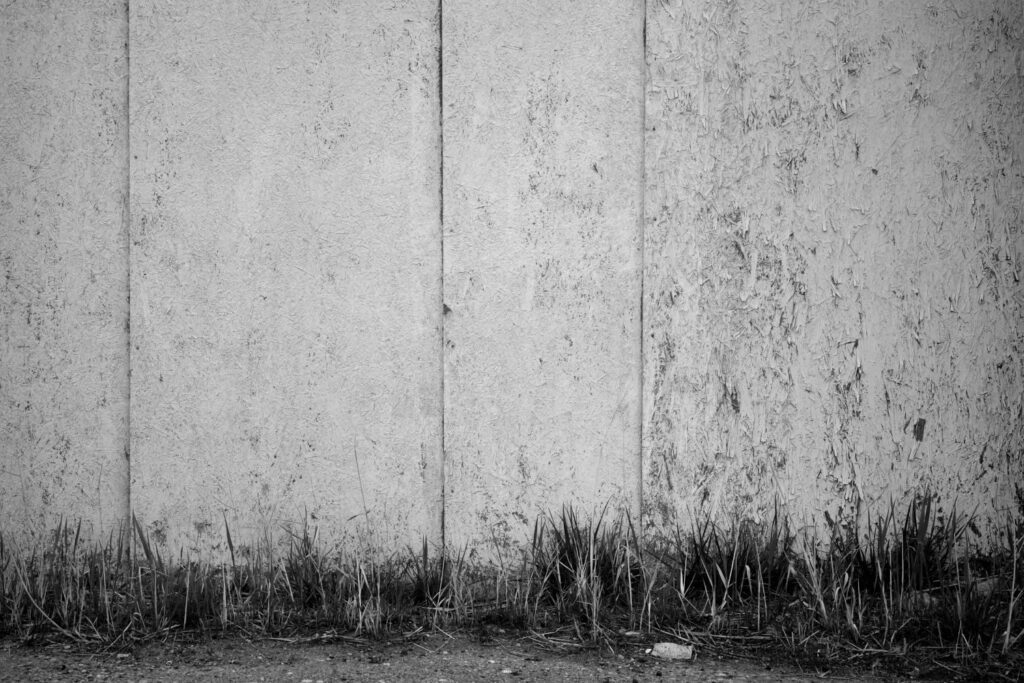
Are there specific photographers, artists, thinkers or scientists who influence your work?
I grew up in the era of minimalism or perhaps post-minimalism. I had a brief fascination with abstract expressionism and a seminal experience at a Rothko retrospective. So, Donald Judd, Frank Stella, Kenneth Noland, etc., for geometry, and Eva Hesse, Joseph Beuys, Robert Smithson, Anselm Kiefer for materiality. Marcel Duchamp for conceptual thinking. Heidegger’s Origin of the Artwork, for his notion of poetry as the essential nature of art, unconcealing what was hidden. I wrote my college thesis essay on Kant’s Critique of Judgment, which discussed the concept of the sublime, an experience where our mind experiences both pleasure and pain in the face of something we can’t properly account for. For Kant, it would be in the face of something in nature. For myself, it was to be found in certain works of art. That they can create an intellectual experience that overwhelms us.
There’s a term the Russian formalists used, Ostranenie, which dealt with the process of defamiliarization, something familiar made strange, so we could actually “see” things as they are. We can’t see the banal, the quotidian, without changing the presentation, and that’s what I try to do. I want the world to work through me and the images to express possibilities: a story, a location, dislocation, layering, the fragmentation of vision, perhaps alienation or utter boredom.
For more about Chris Letcher:
www.chrisletcher.net
Instagram @xletcher
Jake Nelson
graduated Seattle University 2023 (BFA in Photography through SU partnership with PCNW)
interview by Lisa Ahlberg, grad. 2005
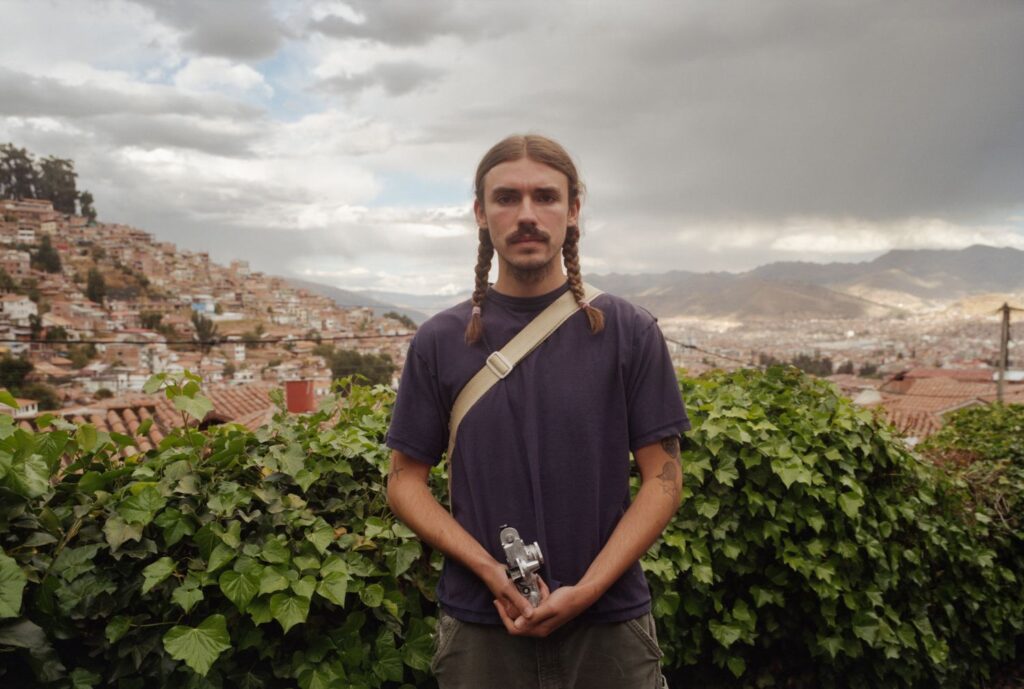
My name is Jake Nelson, I was born in Portland, Oregon and I work in the Pacific Northwest. I am a fine art photographer, photojournalist and photo educator. I teach analog process at PCNW, including experimental printing techniques using silver printing materials and introductory black and white photography.
Image Credit: Jake Nelson
Please begin by telling us about the work you’ve decided to share.
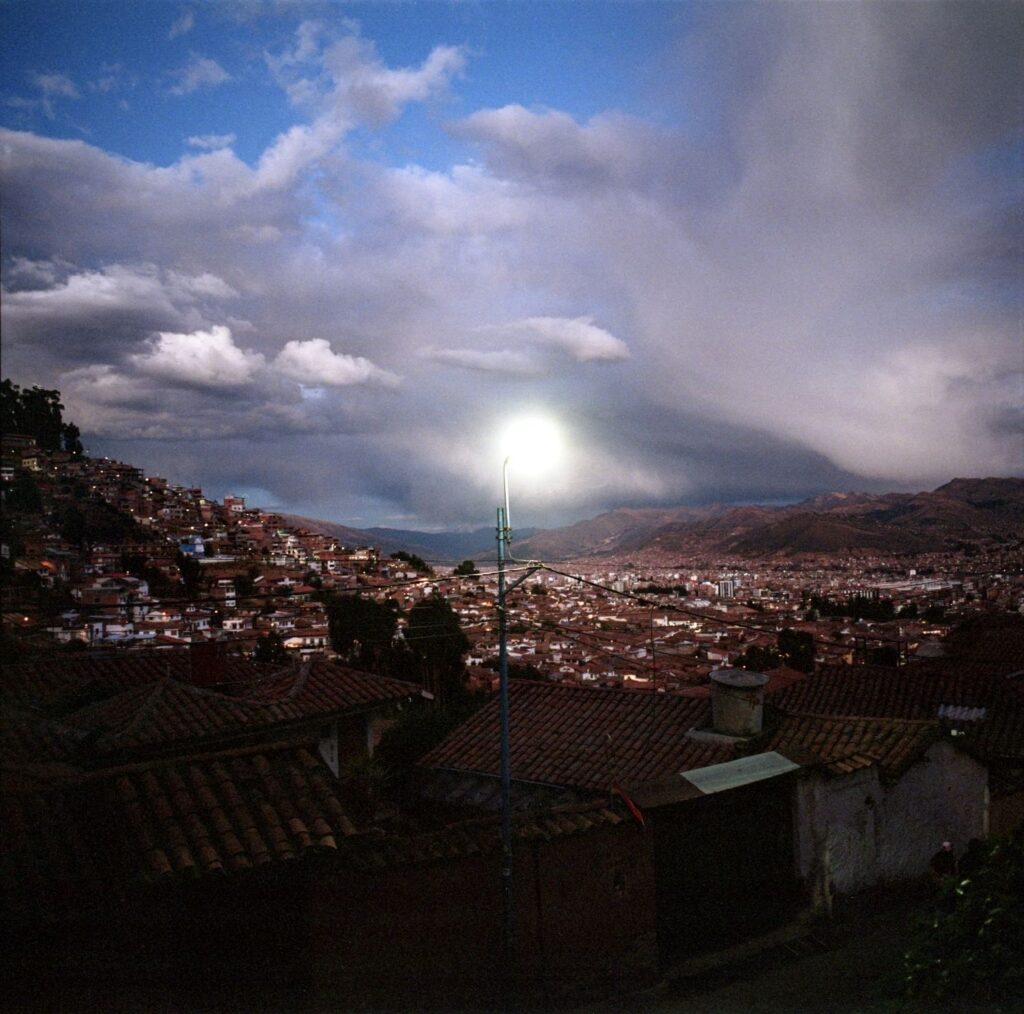
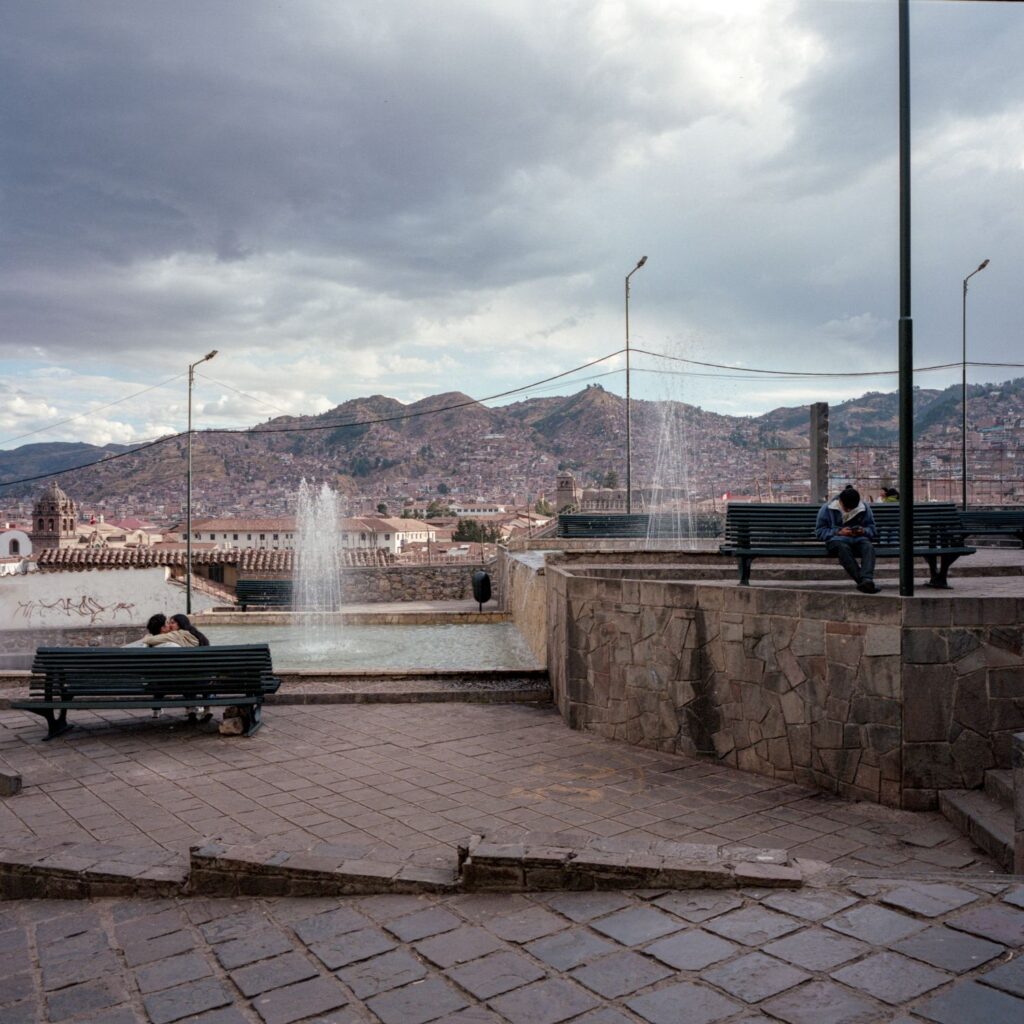
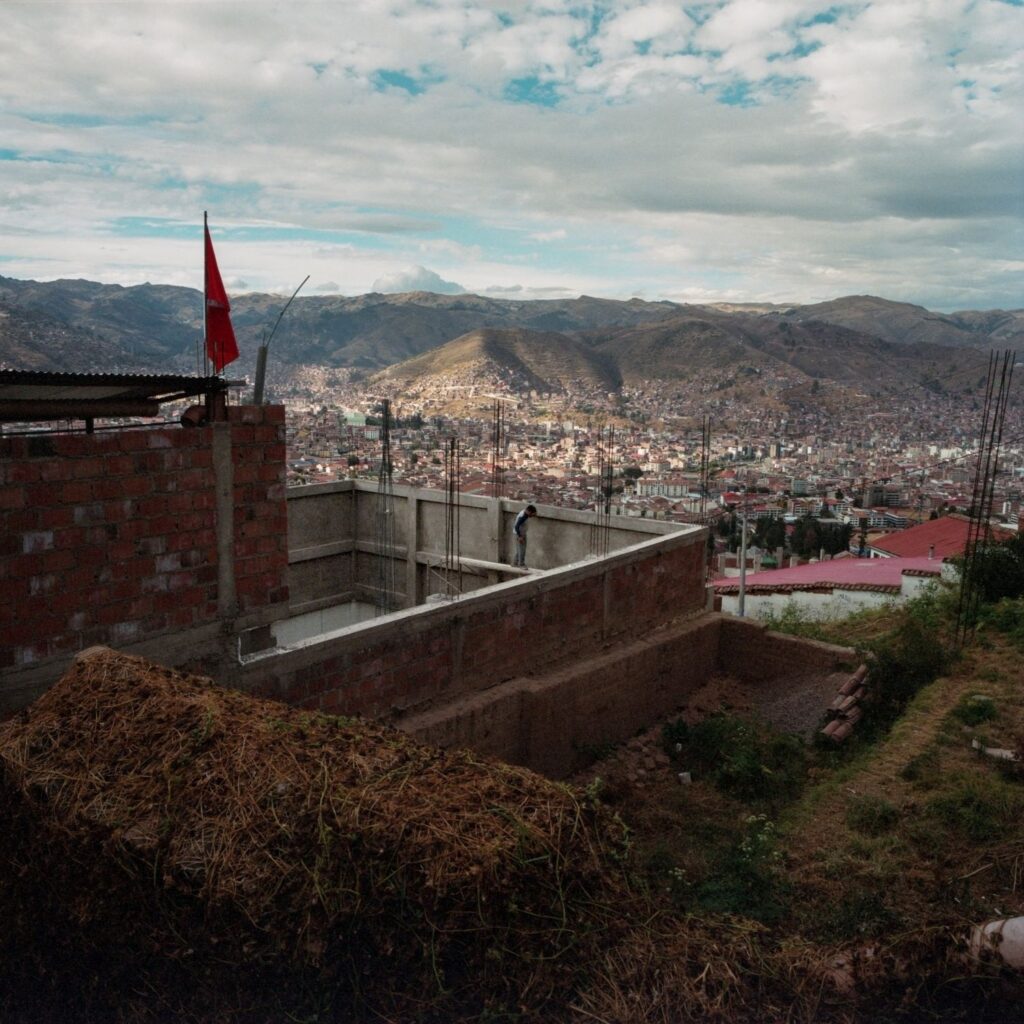
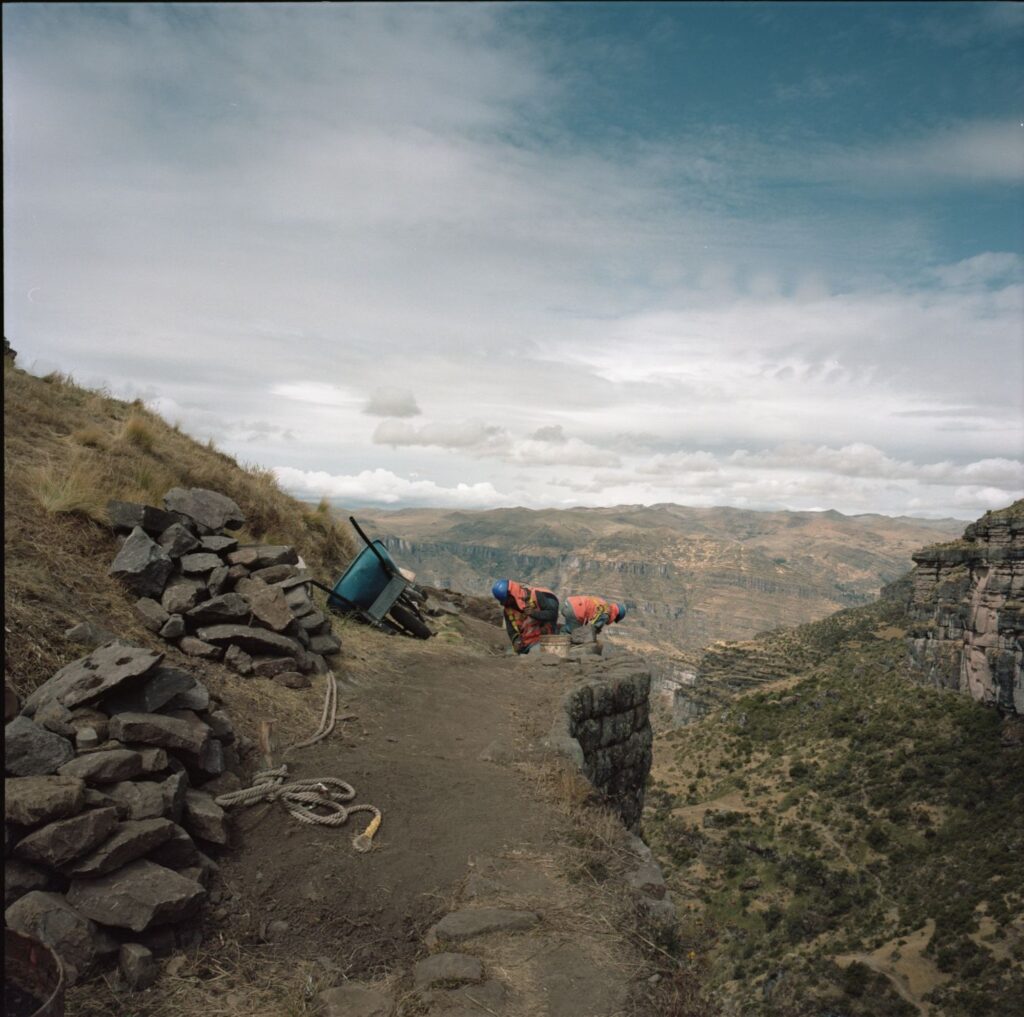
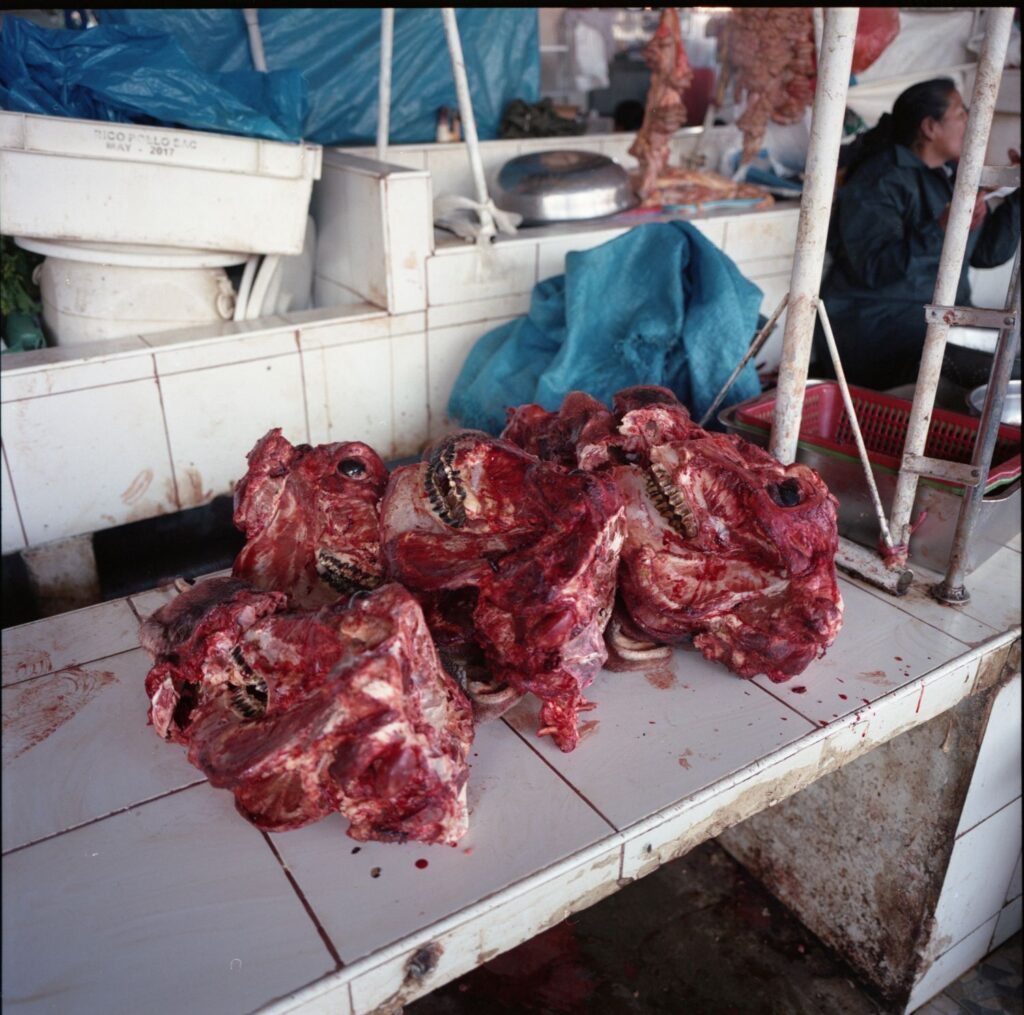
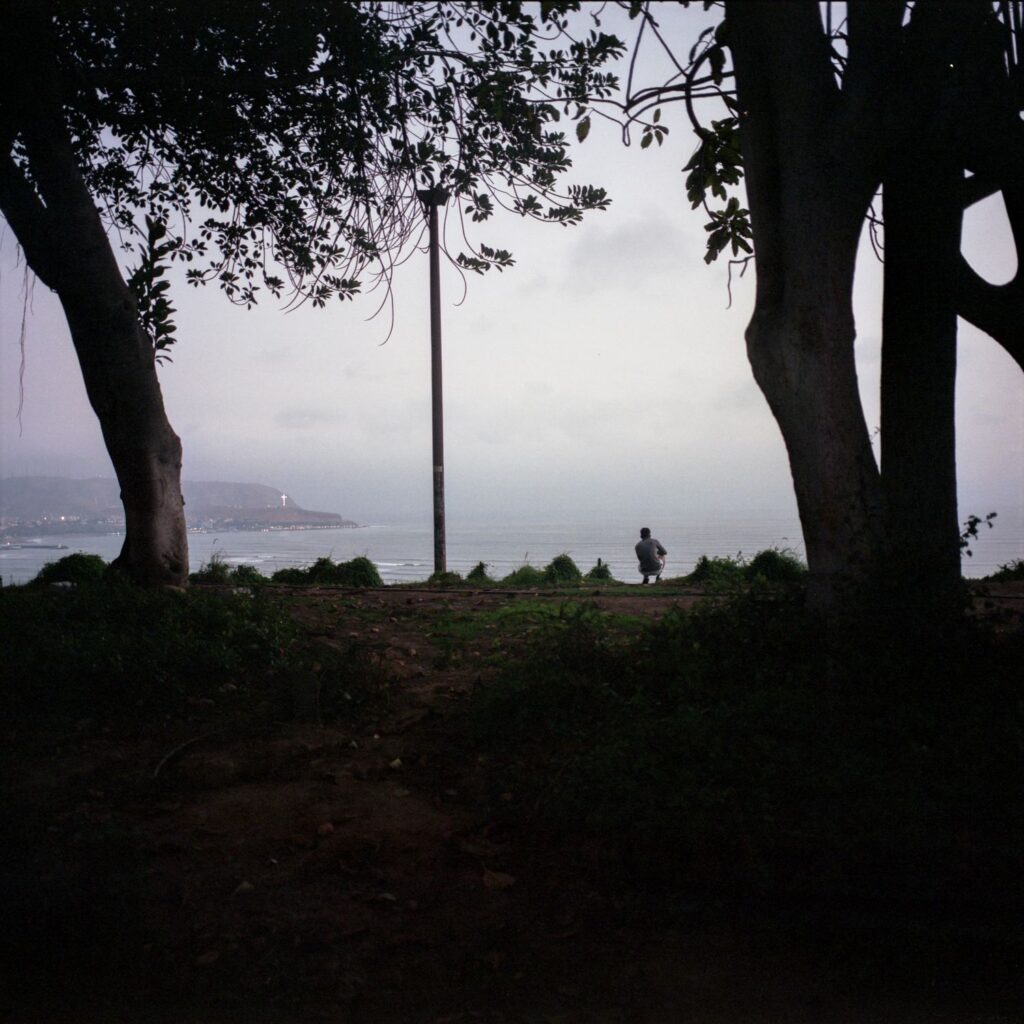
The photos I’ve shared are from a recent trip to Peru. They’re a little different from some of my past photos. I’ve been stockpiling color film for the past couple years, without a real plan of what I want to do with it. I sort of broke through my own barrier recently, and have been shooting through a lot of it over the past couple months. I still don’t have a very good way of working with the negatives, but even just as rough scans I like the direction that the images are taking me, maybe with the exception of the cow heads…
You mentioned to me you tend toward narrative in your work. Can you say more about that?
I started saying that I was interested in narrative photography around when I started teaching. A lot of the people who would take my workshops would ask what I liked to photograph and I didn’t have an answer. I landed on narrative photography for a handful of reasons, one being that it’s broad. I take landscapes, still lifes, portraits, I use film, digital, color, black and white. I, like a lot of other photographers, don’t want to be bound by categories. I want to find a way to say something with my images. I want to find meaning in stringing them together into cohesive bodies of work. I wouldn’t be able to put as much time, energy or money into this if I didn’t feel like it had some greater meaning or story. At times, when I start to feel a bit ridiculous carrying a 4×5 through the woods for miles or getting turned down asking people if I can photograph them, I have to remind myself that there is a reason I’m doing this that is hopefully bigger than whatever it takes to get to it.
You make zines. How does making zines fit in with your overall practice?
Zines are a fun and relatively cheap way to share work. I want my photos to be seen and held and I really don’t want them to sit around collecting dust in a box, or disappear on my hard drive. I like being able to present a group of images, in a specific sequence. I’ve also found that giving someone physical copies of work, gives them a means to communicate with it. I made my first Zine when I was 19. I printed 50 copies of it and did as much as I could to give them all away. They were free to whoever wanted a copy. Soon after, one of my close friends moved to Berlin for school and when I went to visit him years later, I saw that he had ripped pages out of that zine and nailed the individual images to his wall. I loved it, I loved seeing someone take my photos and create this, admittedly odd, ambiguous display on their wall. Another person made the zine into a collage and framed it. When I was making the zine, I never would have imagined that anyone would have done anything but look at it and put it on their shelf. As particular and controlling as I am with my work, once it’s out of my control I love seeing what people do with my photos.
You graduated from Seattle University with a BFA in photography and took many classes at Photo Center Northwest to complete that degree. Where are you headed at this point? Do you see yourself as someone who wants to put art making at the center of your life?
Where I’m headed is a bit of a mystery, to myself included. Art making is definitely at the center of my life, and has been since I was about 17. I fell in love with photography early in high school, but it wasn’t until the end of high school that I started to see it as a viable career path. I had planned to study business or some other catchall major in college so that I could get a good job and build a career. I wasn’t planning on completely dropping photography from my life, but I figured it would just be a hobby. One day I was talking with my high school photography teacher. I remember him, very clearly saying that he believed that I could make a career out of it, and that’s really all it took. From there I ended up at Seattle University studying photography. My freshman year I took B&W I and learned how to develop my film and print in the darkroom. I hated the darkroom at first. It took so long, and I wasn’t able to get the quality of image that I wanted. Unfortunately, right about when my quarter of B&W I was ending the pandemic was beginning. What began as going home early for spring break, quickly became moving back home. I was back home in Portland for about a year and a half and was pretty unhappy about classes being online so I used that period to take as many university required classes as I could, so that I could save my Photo classes for when I was back in person. At the same time I was doing as much as I could to keep photography present in my life. I was working 10 to 12 hour shifts in a warehouse, the whole time listening to anything I could about any photographer I heard of. I was also looking at the prints I had made in B&W I and trying to figure out what was wrong with the bad ones and what worked with the ones that I liked. When I came back to Seattle to finish my degree I was trying to do as much as I could. Whether for a class or not, I was at PCNW three to five days a week, printing, developing and sometimes scanning. Through all that time, PCNW has really become a home away from home. I give a lot of credit for the artist I am to PCNW’s facilities, faculty and staff, and I feel really grateful that I get to teach at such a fantastic place.
What excites you most about teaching?
In teaching, I really just want to help people get excited about taking photos. I do my best to give people the most technical instruction I can, so that they can make the images they want to make. I don’t spend a lot of time with other photographers, with the exception of my students. When I see one of them become interested in a certain artist, or image, or style, or movement, I’m ecstatic and I just want to fuel their interest with any discussion or reference materials I can.
What do you love most about darkroom work? Why is shooting film important to you?
Darkroom work is where I feel the most comfortable in photography. I’ve put enough hours in that most of the problems I encounter I can find a solution to. I also really enjoy the physical nature of it. I don’t really mean handling film or sensitized paper, I am not the biggest fan of that. I more so mean working with the enlargers. Sometimes when I am working on a complicated split grade (some people call it split filter) print, I almost feel like I’m operating heavy machinery; carefully changing the filters, and dialing in the times, making my exposures dodging and burning. It’s incredibly satisfying, and in the end you get a physical print that you can do anything with. Similar to zines, I love giving prints to as many people as I can. It makes me so happy when someone comes up to me and tells me that they framed a print they got from me and that they love seeing it in their home.
I was first drawn to shooting film because of the cameras. When I was 18, a nice full frame digital camera was so far outside my price range that I wasn’t even interested. I could, however, afford really interesting film cameras like a Nikonos or a Nikon F5, or a whole variety of half frame cameras. I also loved that the film was the censor. I could put the same nice color film in my little point and shoot as I could in my big Nikon, it felt like it gave a lot more power to those little pocket-sized cameras.
I’m reading Sally Mann’s newest book, Art Work On the Creative Life. As I read it, I’m looking for ideas that might make my practice a better one. She asks, “How do we get our work done?” So I wonder, how do you get your work done? Is it play? Is it work? What is your practice to begin making new work?
It’s a mixture of all the above. There are plenty of times that I’m in the darkroom developing or printing and I just want to go home. Sometimes I push through and other times I decide that I’ve done enough and I leave. I try to be really honest with myself about how hard I’m working and how well things are going. Sometimes you have to cut your losses and take a step back, whether that be because you’re overworked or you’re just simply not getting it. There’s been a number of times where I’ve spent hours working on a print with little success so I decide to call it for the day. Usually when I come back to it, the print ends up being much easier than it had previously seemed. It is important to be diligent and sometimes you need long hard days, but fresh eyes go far.
Overall, I just tell myself that as long as I’m doing something, that’s okay. It doesn’t all have to be concentrated energy, it can be a bit scattered, but I always need to do something. One thing that’s big for me is working more off of routine than passion. I definitely still cherish passion and I stretch it as far as I can, but I don’t want to be at the whim of my emotions. I want as much agency as I can have in photography, and that means trying to let go of my own limitations and finding different ways to motivate.
Since graduation, how have you continued to get feedback or inspiration from others? Do you continue to meet with other photographers or artists?
I’m not the best at keeping up with other photographers. I have a few people that I share work with and look to for feedback, but overall most of the inspiration I draw is from things that are made by people that I don’t have a personal connection with. This isn’t necessarily intentional, photography has always been something I do best alone, whether that be printing, editing, sequencing or shooting. I’m certainly inspired by other photographers. There’s a great crop of young photographers right now, making uniquely American photographs that aren’t necessarily about America. The main way I interact with photography is through photo books. I love being able to hold work and take my own time with it, without standing in a gallery or staring at my phone.
Do you work in any other mediums beside photography?
Photography is my primary medium. I do a little field audio recording for fun. I find that parts of the process are really similar to photography. I’d love to put together a project that combines the two, and I’ve made some small attempts over the years, but I’m still figuring that out.
Anything else you want to share with us?
You can see some of my work in BlueSky gallery’s 2025 Pacific Northwest Drawers, in Ugly Child’s Fragment III and in Focal Point: PCNW’s 2025 Benefit Auction.
What’s next?
I have a few things and projects that I’m working towards, but nothing concrete for now. I’m hoping to start doing some work as a darkroom printer, and I’ve been talking with a photographer about printing a large selection of images. I don’t want to say too much because we’re still just talking about it, but hopefully I can start working with the negatives soon.
For more about Jake Nelson:
www.jakenelsonphoto.com
Instagram @hawthorneburgerville
Suzanne Fiore, Andrej Gregov, and Kristin Zwiers
graduated 2015
interview by Joan Dinkelspiel, grad. 2017
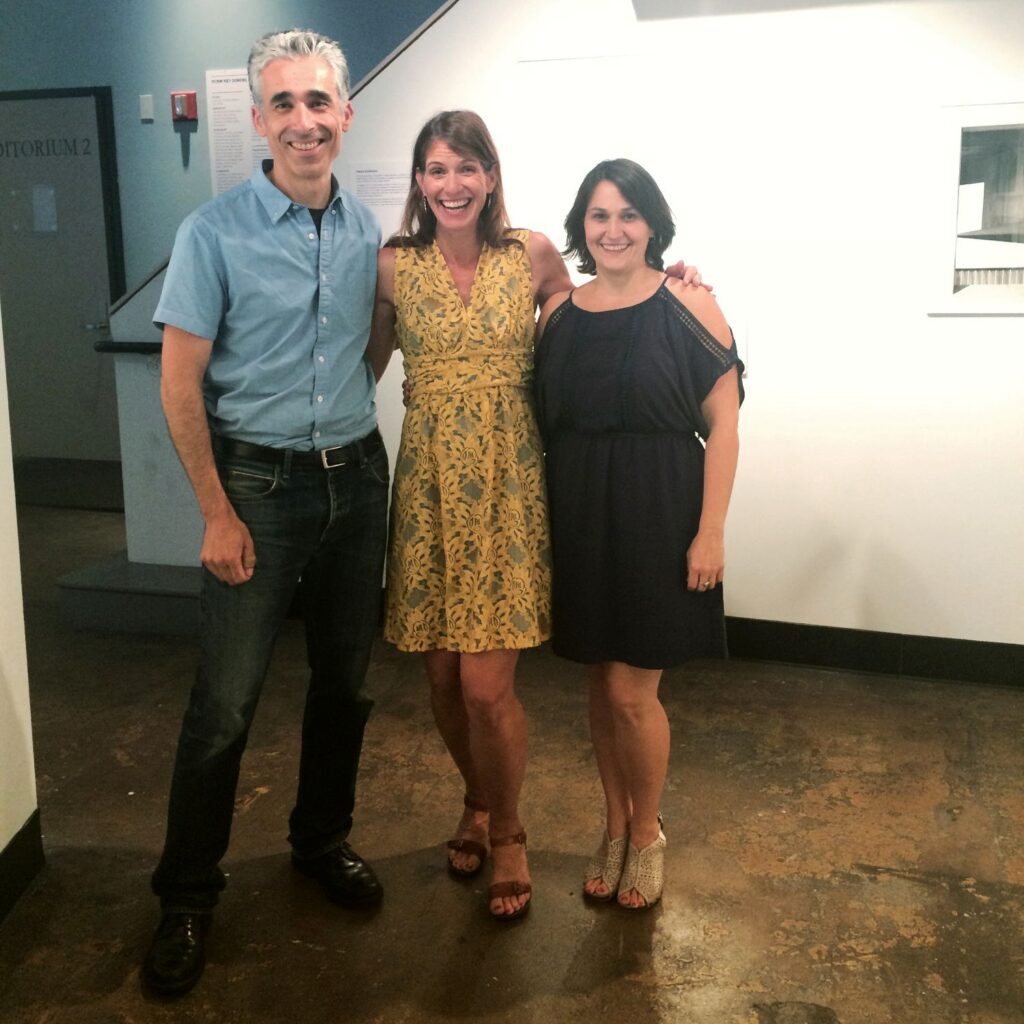
Interviewer Note: Suzanne Fiore, Andrej Gregov and Kristin Zwiers have been meeting monthly since they graduated from the PCNW Certificate Program in 2015.
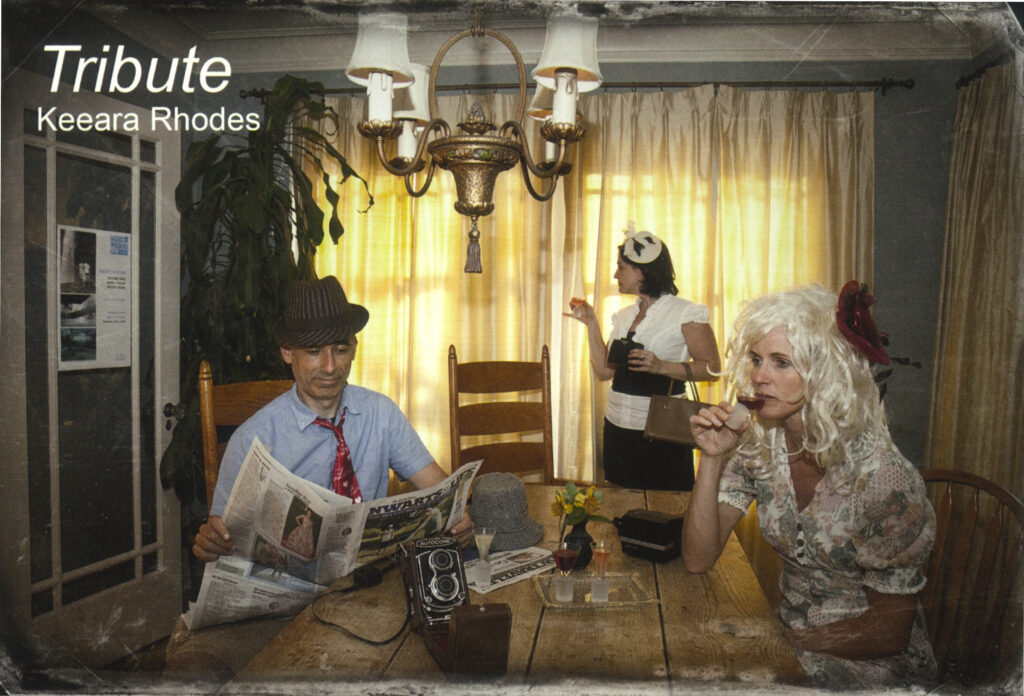
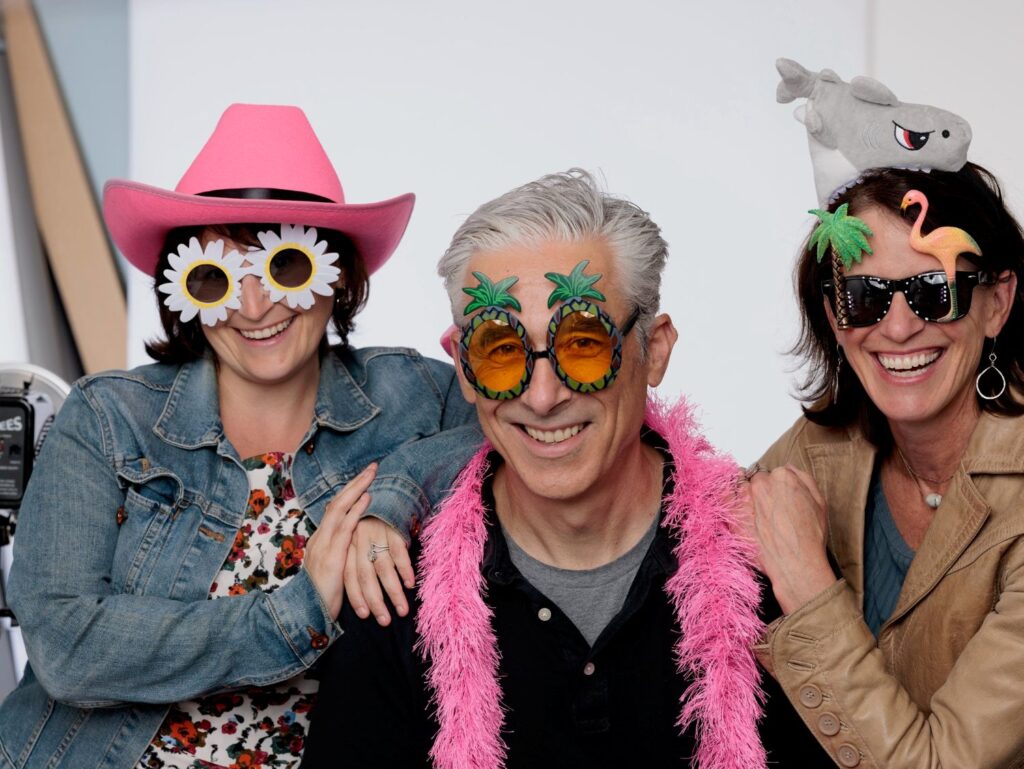
Pictured here are the group in 2015 dressed in costume (reminiscent of Suzanne’s thesis project) as a thank-you gift to their PCNW faculty, including Keeara Rhoades and Eirik Johnson. The second photograph was taken this year (2025) when Suzanne visited Seattle.
What was the initial spark for starting this monthly meeting ten years ago? Was there a specific goal in mind, or was it just about staying connected?
It just happened organically. There was a collective feeling of “the end of thesis blues” and we spoke about how we would miss our meetings and support system to continue making work. Also, with Suzanne Fiore moving back to the East Coast, we needed to be more organized to stay connected, so we just started meeting and away we went.
Life gets busy and people move, start families, change jobs. What has been the single biggest factor in keeping this group committed for an entire decade?
Every group tends to have a leader who keeps things moving forward. Suzanne inhabits that role for us by keeping us connected. She’s usually the first one to get things moving to put a meeting on the calendar, and the mutual support we get from each get-together keeps us coming back for more.
How have the meetings themselves changed from your first year as new graduates to now, as established professionals? Has the focus shifted?
Our focus has extended from discussing photography to one that continues to be rooted in photography but also includes other topics. Sometimes we’re sharing work, especially if we are starting a new project. Sometimes it is business related, like sharing websites in progress or talking about strategies for our businesses. Sometimes it is simply about what’s happening in our lives or sharing what exhibits we’ve seen.
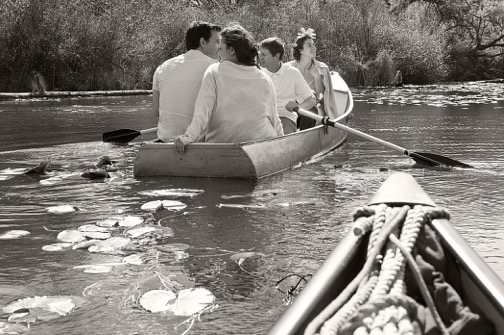


From 2015 Thesis Exhibition, Image Credits: (top) Suzanne Fiore, (bottom L to R) Andrej Gregov, Kristin Zwiers
Can you share a specific story where feedback from the group directly led to a success—a landed client, a completed personal project, or a creative breakthrough?
After Kristin Zwiers bought photography business Adonis Photo in downtown Seattle, Suzanne and Andrej Gregov suggested Kristin contact our previous instructor as part of Kristin’s effort to hone her headshot skills. Kristin called portrait photographer Roseanne Olsen to set up a 1:1 to talk about running a portrait business. Another example: Andrej helped Suzanne think through large-format related issues to help her continue momentum around her newly discovered passion for wet plate collodion. Our mutual strengths and weaknesses often offset one another. One or two of us usually have ideas or skills that can help.
Looking back, what’s one piece of advice you’d give to new PCNW certificate grads about building their own community, and do you see yourselves still meeting in another ten years?
We suggest that you ask the people you admire and respect to continue helping you. Photographer Richard Misrach made an interesting point about artist salons in general: “Groups naturally spin up and spin down as people’s time and interests change.” We never thought we’d hold on for 10 years, but we still feel it’s right to continue, and so we do. We also encourage new grads to think about assembling a group and then just let it happen. If it lasts one year, great! If a group lasts longer, that’s great too. What’s most important is surrounding yourselves with other perspectives and viewpoints to challenge assumptions about each other’s work, and (not to be forgotten) to enjoy each other’s company!
For more about Suzanne Fiore:
suzannefiorephotography.com
Instagram @suzannefiorephotography
PCNW Blog: May 2023 Alumni Newsletter Interview with Suzanne Fiore
For more about Andrej Gregov:
www.andrejgregov.com
Instagram @agregov
PCNW Blog: January 2023 Alumni Newsletter Interview with Andrej Gregov
For more about Kristin Zwiers:
Adonis Photo: www.adonisphoto.com
Instagram @kristinzwiers
PCNW Blog: Spring 2024 Alumni Newsletter Interview with Kristin Zwiers
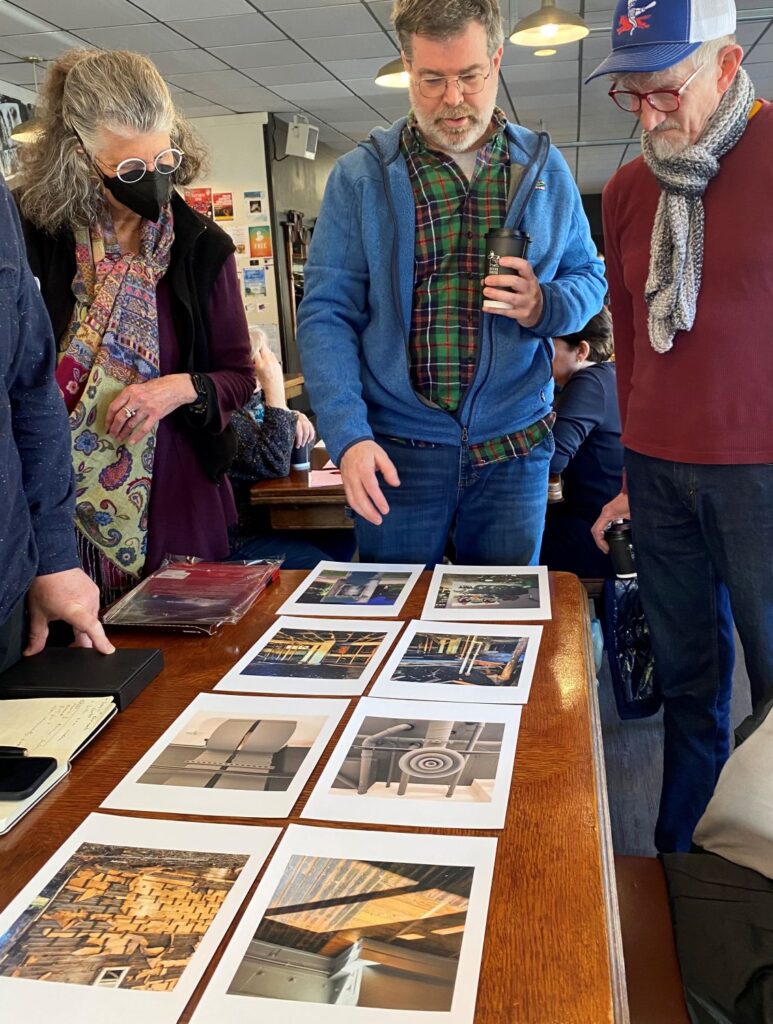
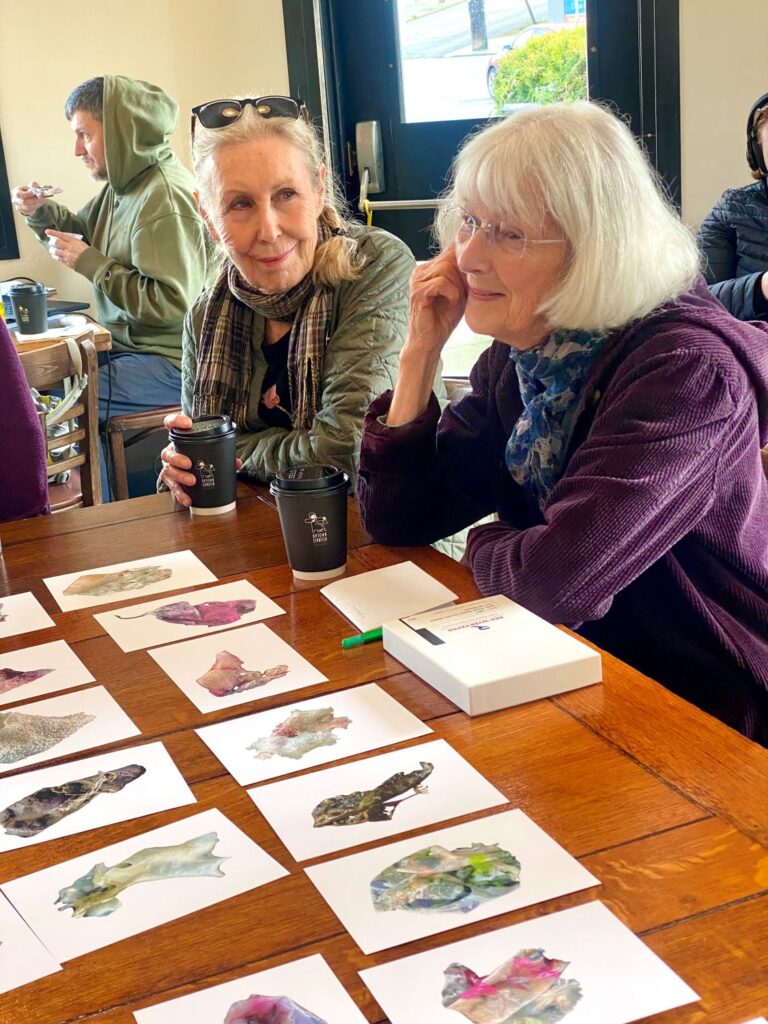
Image Credits: Lisa Ahlberg, Alumni Critique Group
Alumni Critique Group
Are you a graduate or current student of PCNW’s Certificate in Fine Art Photography? You’re invited to join us at an Alumni Critique Group! Feel free to join in at any time and bring new work to share.
WEST SEATTLE
Meets Second Wednesday of every month @11 – 1 am
Where: West Seattle C & P Coffee, 5612 California Avenue SW, Seattle, WA
Contact Eva: eswesterlind@gmail.com
Looking and Listening
From Gwen Emminger…
Cannonball Arts has arrived, and it’s sparking creative energy downtown. Located at 3rd Ave and Virginia St, Cannonball Arts is well worth a visit, whether you’re looking for inspiration, a shift in perspective, or just something unexpected to add some flavor to your day.
Take a spin on the hot pink, rideable nudibranch created by sculptor Stephanie Metz. It’s one of those delightfully strange and wonderful things you didn’t know you needed, until you saw it up close and in person.
This new arts venue is carving out space for artists who lean into the playful and bold. Seeing this kind of energy downtown is uplifting, and honestly, it’s helping me fall in love with Seattle all over again. The city feels more alive when art like this is out in the open.
Alumni Updates / News / Exhibitions
Alumni Contribute to Focal Point: PCNW's 2025 Benefit Auction
Every year alumni participate as volunteers, donors and contributing artists for PCNW’s Annual Benefit. This year, the Focal Point: Benefit 2025 Preview Exhibition and Auction included the following contributing alums: Tim Barney, Rachel Demy, Martin Dorn, Gwendolyn Emminger, Jon MacLaren, Marianne McCoy, Jake Nelson, and Holly Pendragon; as well as current certificate student Samantha Kasprowicz.
Many thanks to all for making it a success!
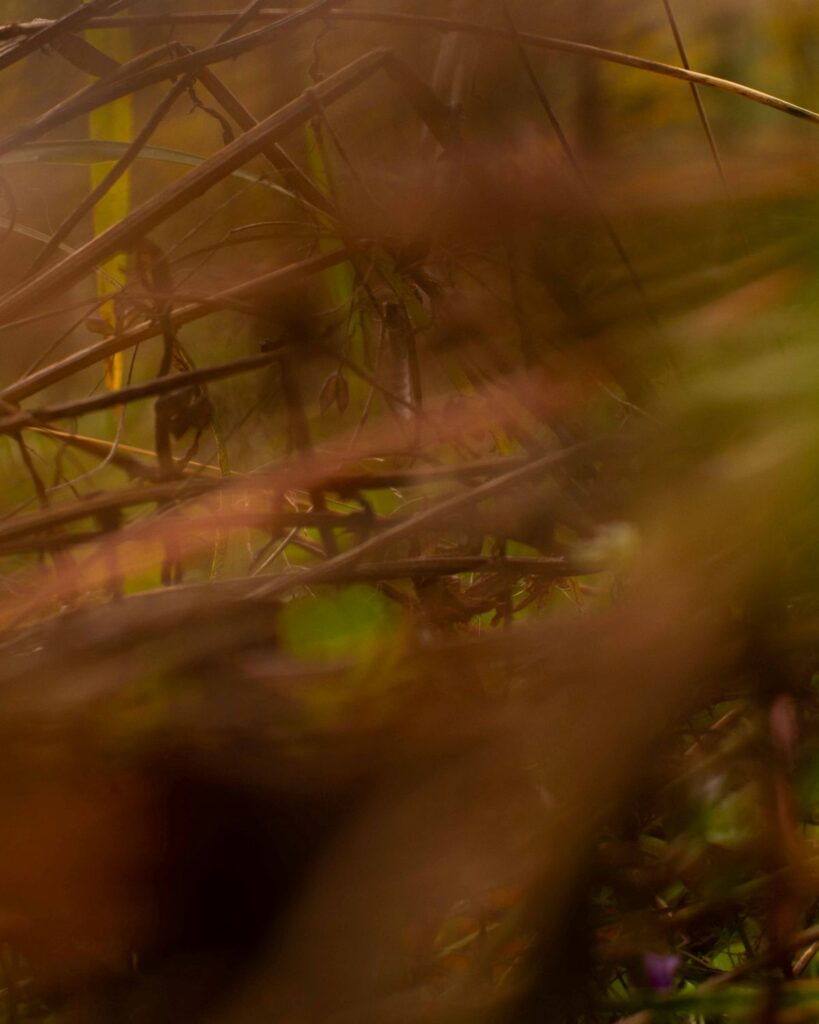
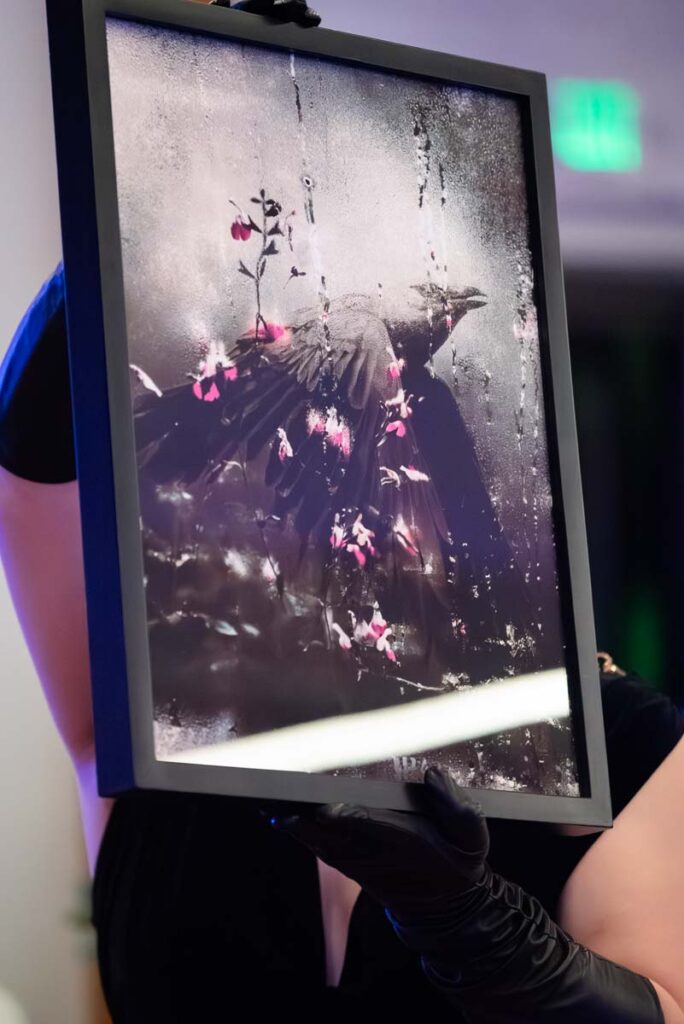
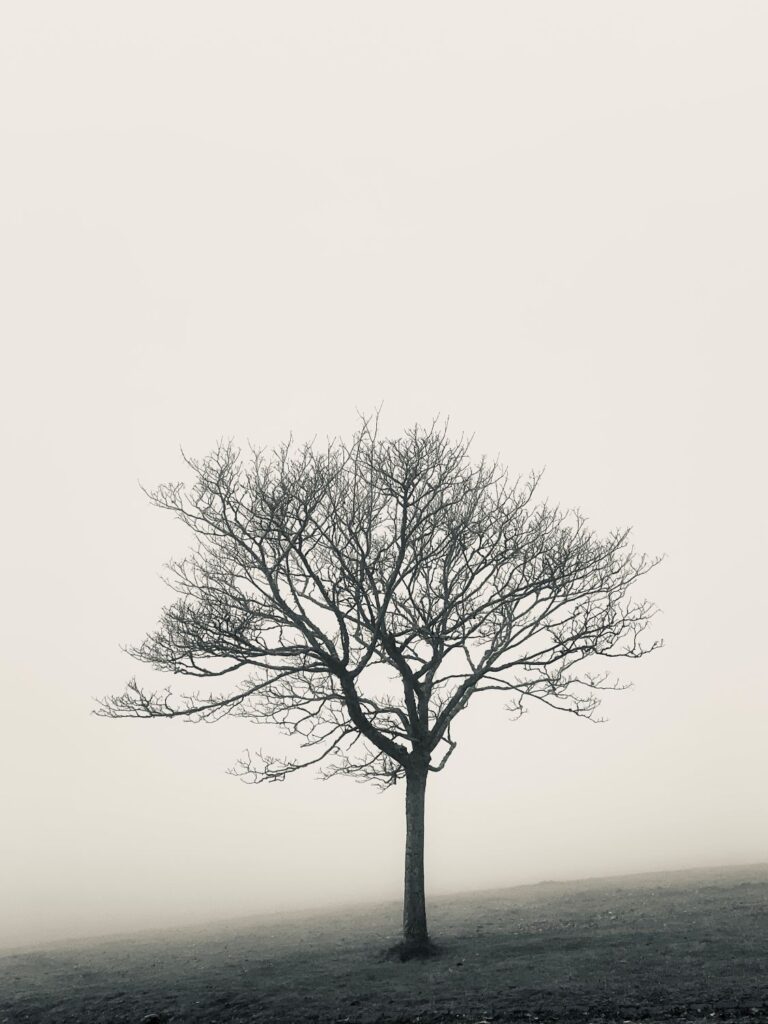
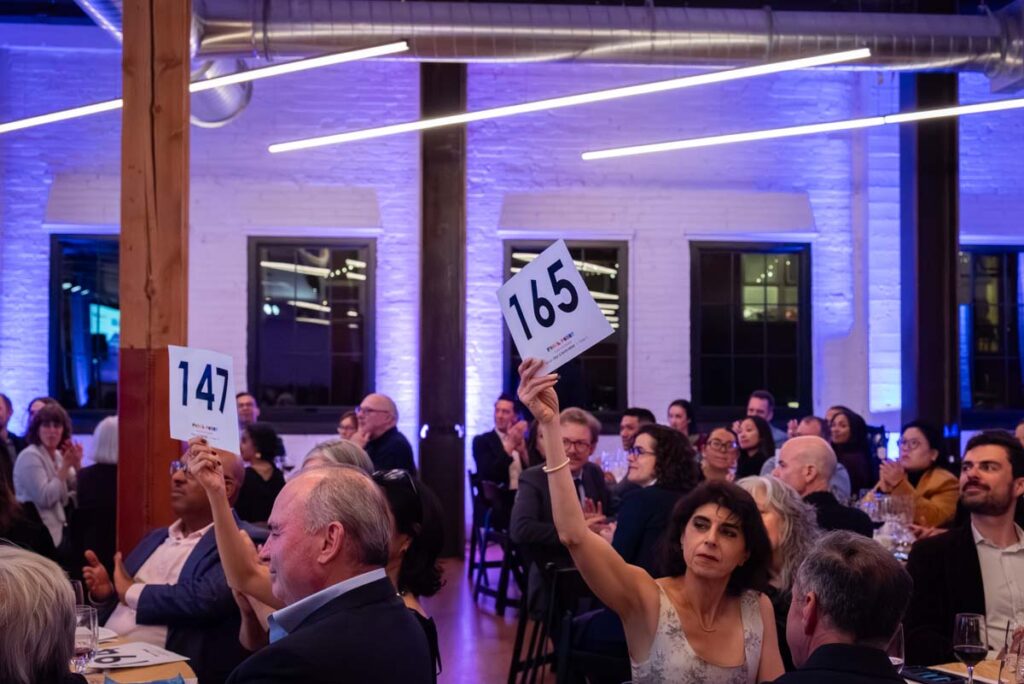
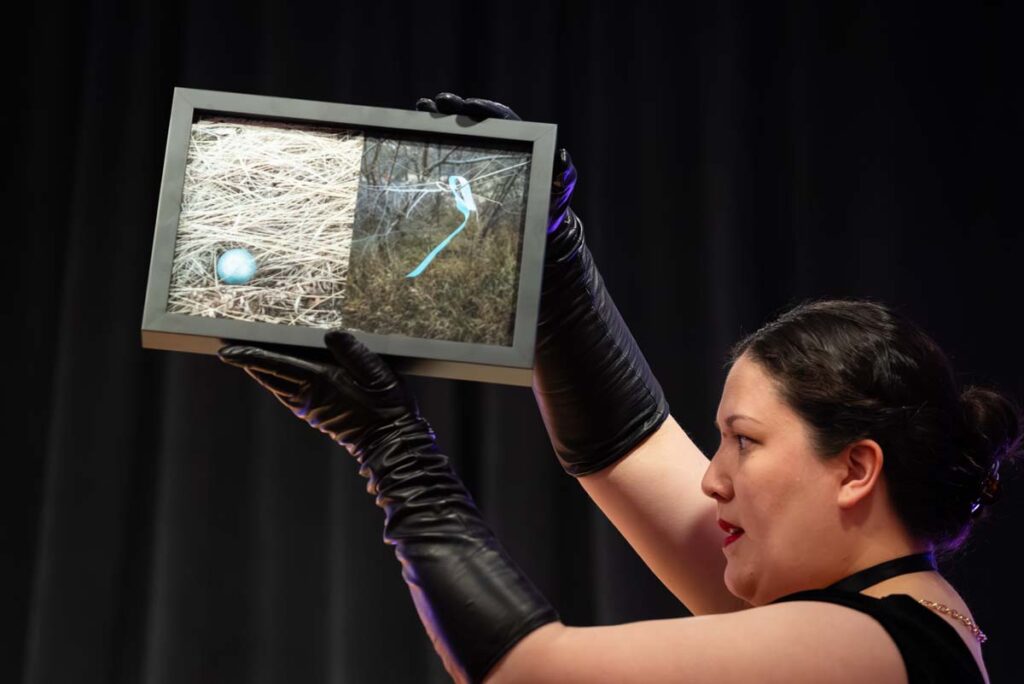
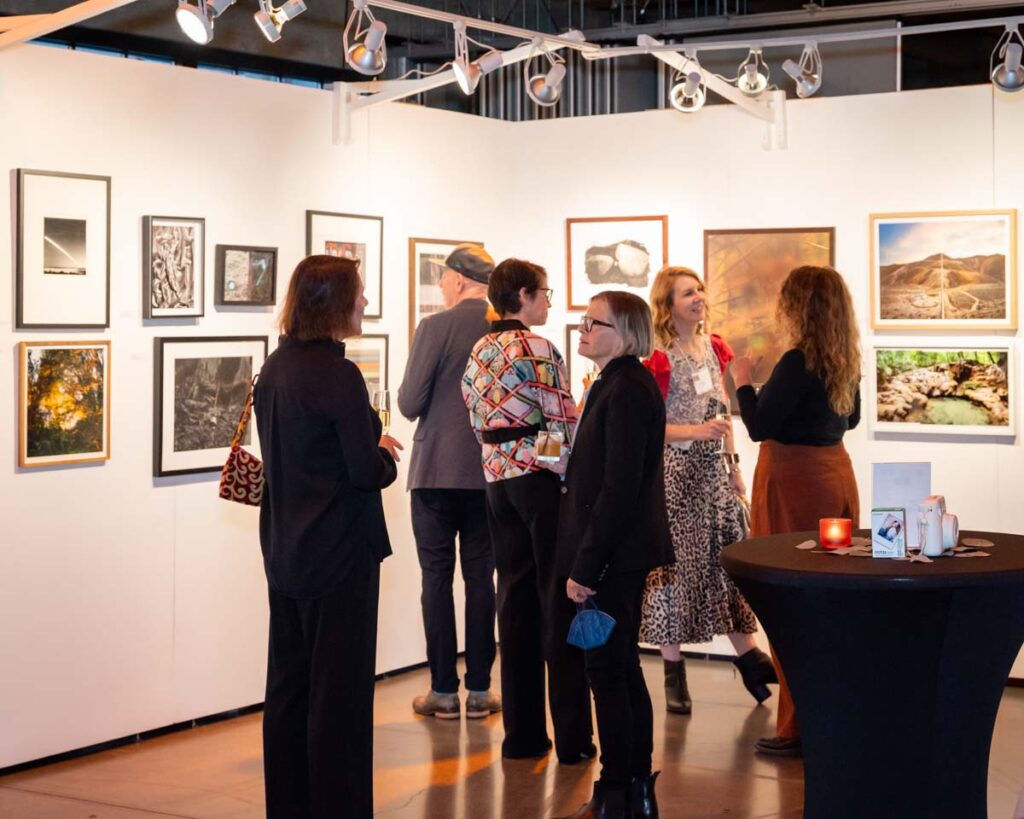
Event Photos by Robert Wade, PCNW Benefit 2025
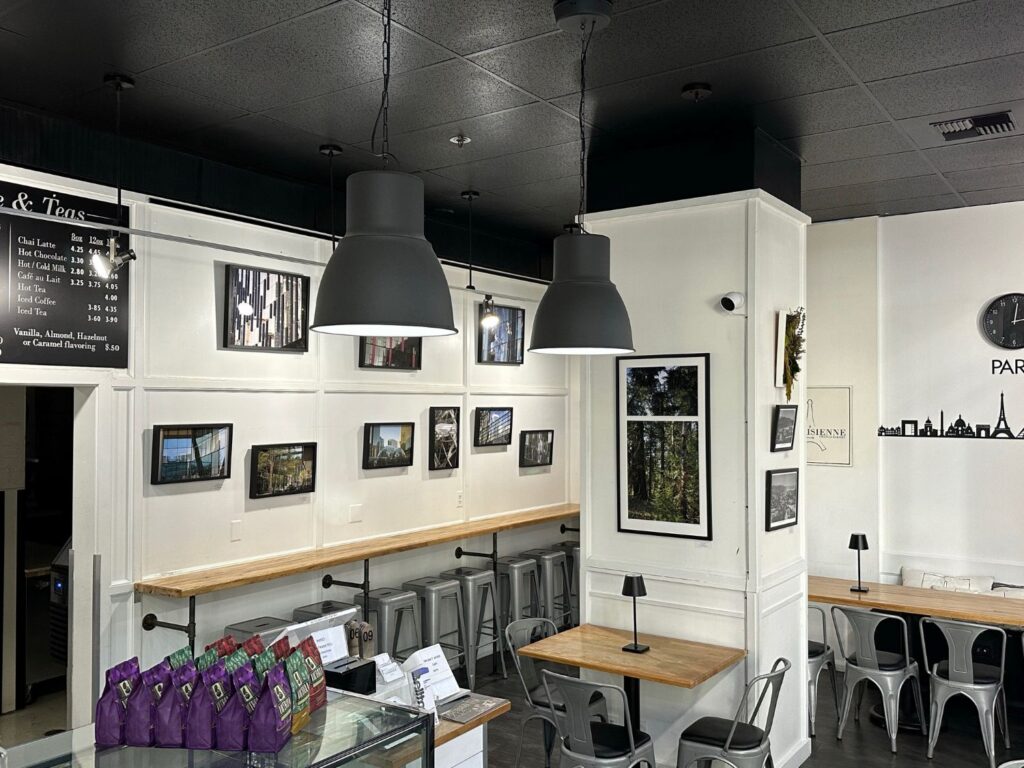
Keylor Eng
graduate 2025, is exhibiting work from Fast Forward at La Parisienne Bakery, 2507 4th Ave in Belltown now through December 13, 2025.
The works are from his thesis project and the series reflects on how the landscape of Seattle’s South Lake Union area has been transformed from a forest of woods to one of glass. Stop by the bakery and have a croissant and see his work.
Selena Kearney
graduate 2019, received an honorable mention for her work for the Museum of Contemporary Photography’s (MoCP) Snider Prize. The Snider Prize is awarded to emerging artists in their final year of graduate study at Columbia College Chicago. The winner, Ching-Wei Wang, and honorable mentions Annelise Duque and Selena Kearney received cash awards that then go toward the purchase of work to be added to MoCP’s permanent collection.
Selena Kearney was also included in the exhibit Don’t Take Photographs, Think Them, as part of The Chicago Cluster Project. Read more about this fascinating project in Lenscratch here.
And read Selena Kearney’s writings about her contribution to the exhibition here.
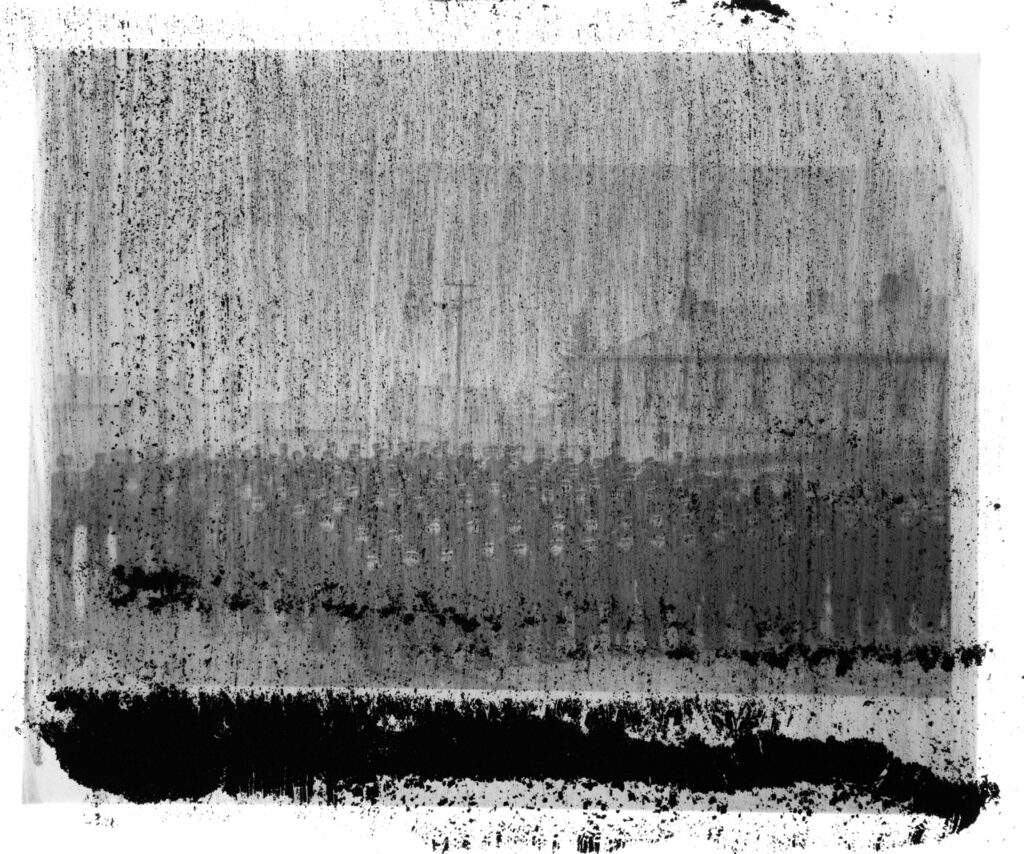
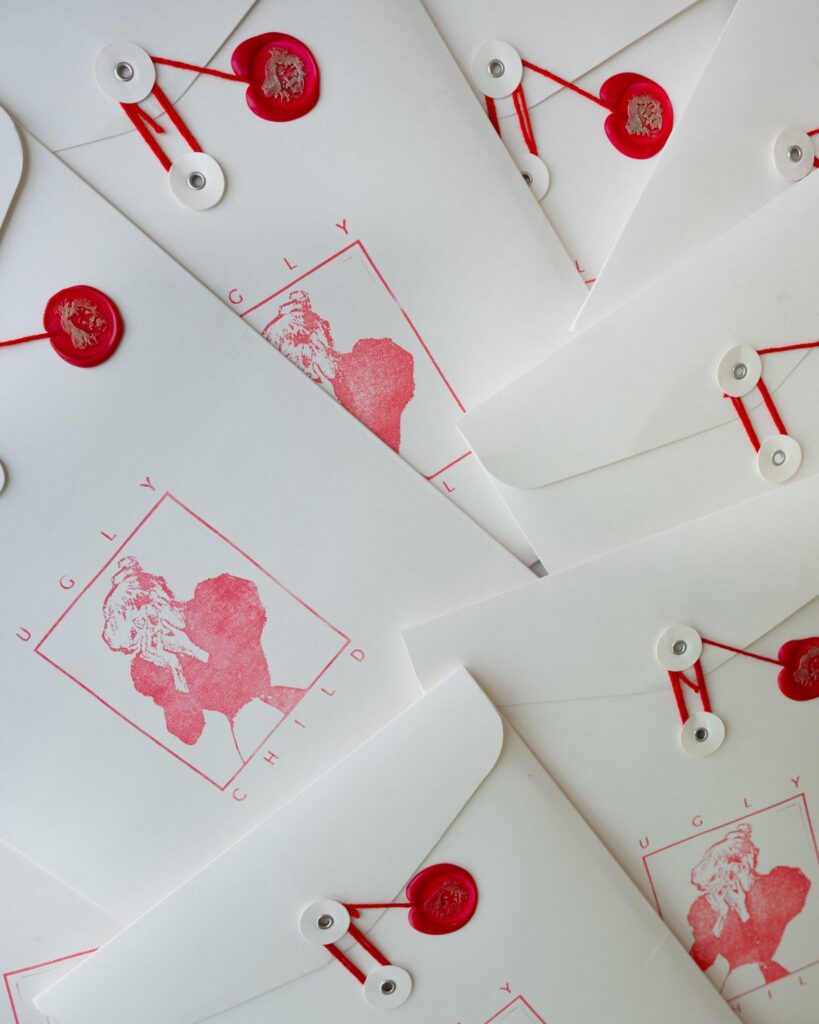
Rachel Demy & Jake Nelson
Demy, graduate 2022 and Nelson, graduate 2023 are included in Ugly Child, a photography atelier.
Rachel Demy is featured in Fragment (Two) Troubled Sleep and Jake Nelson is featured in Fragment (Three) Into The Night.
Each Fragment features three distinct photographers and contains six museum-quality prints. The Fragments are bi-monthly curated collections delivered directly to collectors with all proceeds going to the artists.
Learn more at www.uglychild-atelier.com
From Matt:
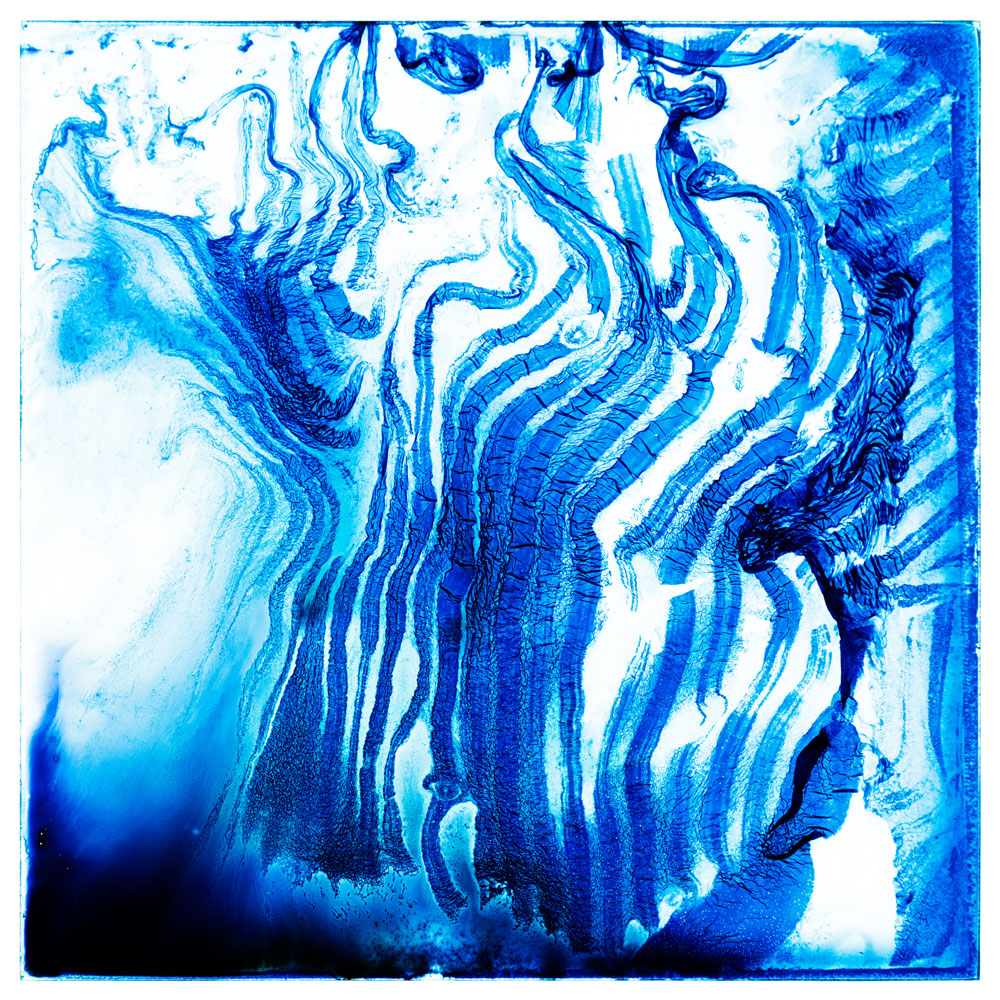
This solo exhibit showcased a series of images that relate to a family secret that my grandparents kept for almost 50 years. It was a secret that neither I nor my mother knew. My grandfather gave up the secret to my wife when I was 25 — just one month before we were to be married. Through the images, some clear and others obscured with distortion from the printing process, the images tell this story. The photographs are printed with a cyanotype-on-glass process and are illuminated with a light box so that the images glow. This exhibit received grants from the Seattle Office of Arts & Culture and King County 4Culture.
In conjunction with this exhibit, I also published a limited edition book/zine. The book includes an additional 10 photographs not exhibited in the show plus text that provides more details on the story of my grandparents and mother. It is limited to 150 copies that are signed and numbered. Contact Matt at info@mattragenphotography.com if you are interested in a copy. (44 pages, $40.)
Matt Ragen
graduate 2022, just completed a solo exhibit at the Holocaust Center for Humanity in Seattle, WA.
Anna Ream
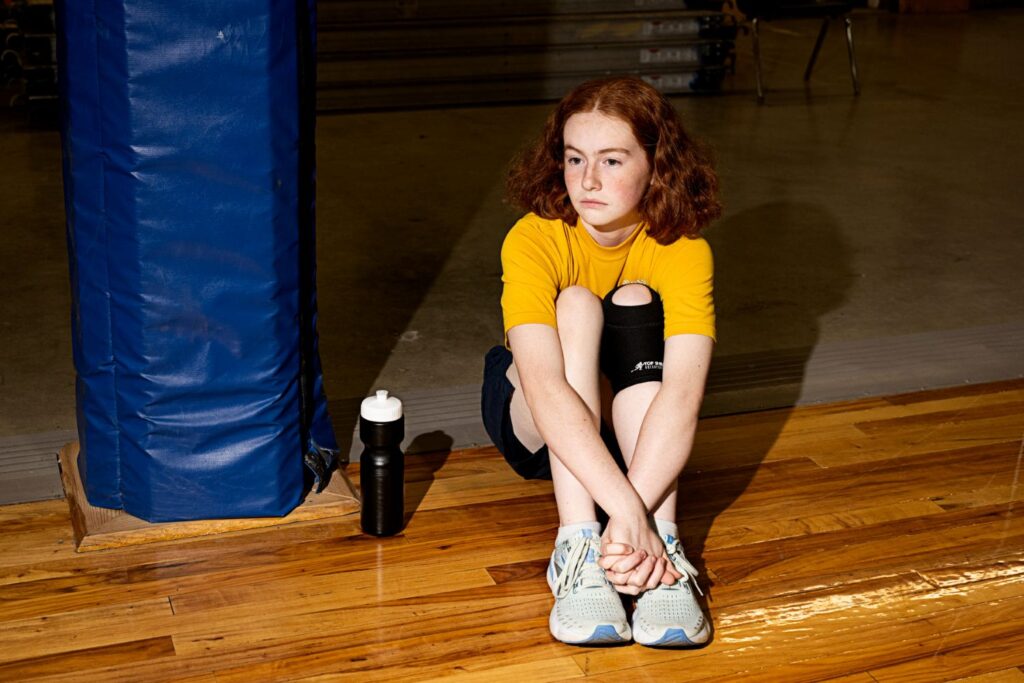
graduate 2014, has been selected as a finalist for Critical Mass, with 200 other finalists for the Portland based Photo Lucida’s annual online program. The project is entitled Bearing: Navigating the Navy JROTC.
Bearing is a documentary photography project that follows students in the Navy JROTC program at Liberty High School in Renton, Washington. It ultimately considers how this controversial, yet often beneficial program serves students, many of whom need its resources, structure, and sense of purpose—illustrating the complicated ways institutions can both constrain and liberate adolescent potential.
Alumni Association Update
What is the Alumni Association and who is a member? The PCNW Alumni Association includes and is for all graduates of the Certificate in Fine Art Photography. We have a volunteer leadership committee that seeks to deepen the connection between Alumni, current Certificate Students, and PCNW, and explore ways in which we can further support, elevate, and celebrate one another.
Are you a graduate who is interested in getting more involved? We intend to renew the committee on a regular basis, with new members, and think this group can lead some great initiatives. Reach out to us at alumni@pcnw.org if you’re interested in joining the leadership committee, have ideas to help foster connection and professional development, or if you’d like to support upcoming initiatives.
Are you an alum with an upcoming exhibition, book launch, lecture, portfolio review, or other
event that you’d like us to feature in a future Alumni Newsletter and/or on the PCNW Alumni
page? Tell us about what you’re up to by completing the Alumni Survey Form or e-mail us at alumni@pcnw.org.
Posting on Instagram? Add another hashtag to your work: #pcnwalumni
Thank you to our current volunteer leadership committee members: Lisa Ahlberg, Gwen Emminger, Andy Holton, Janet Politte, Matt Ragen, Anna Ream, and Al Varady. Our Chairperson is Gwen Emminger.
Additional thanks to the alumni who contributed to making this issue of the newsletter happen, especially: Lisa Ahlberg, Jennifer Brendicke, Joan Dinkelspiel, and Jenn Reidel.