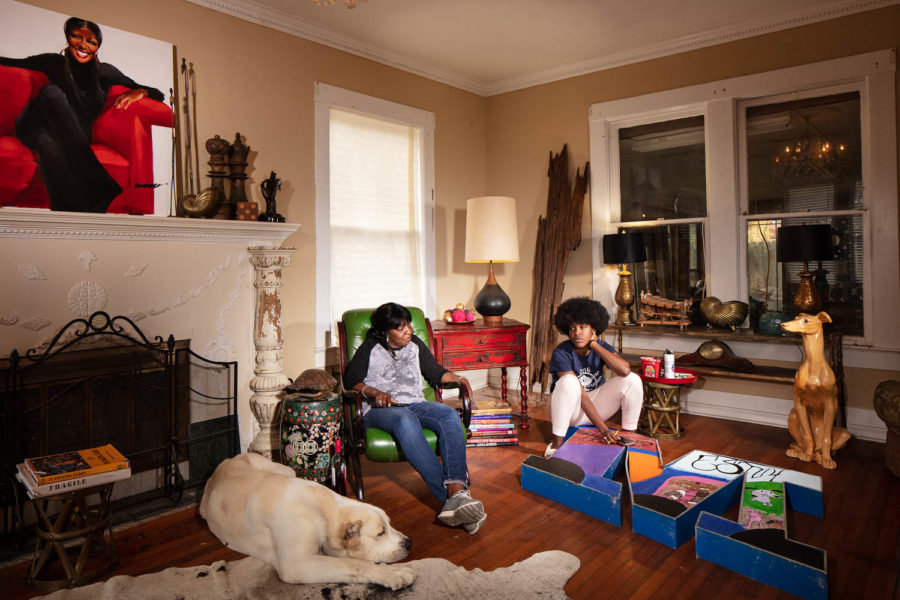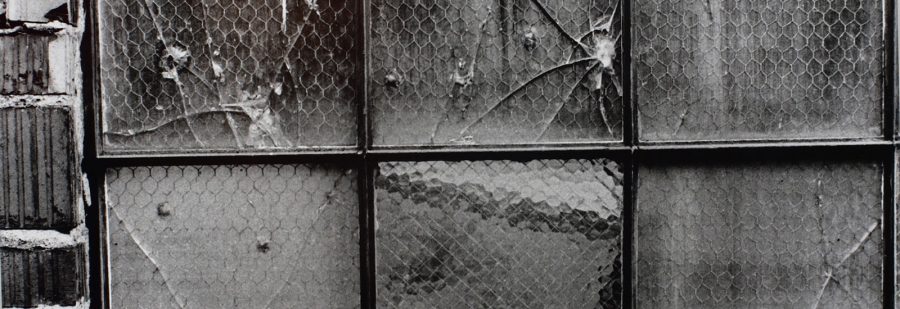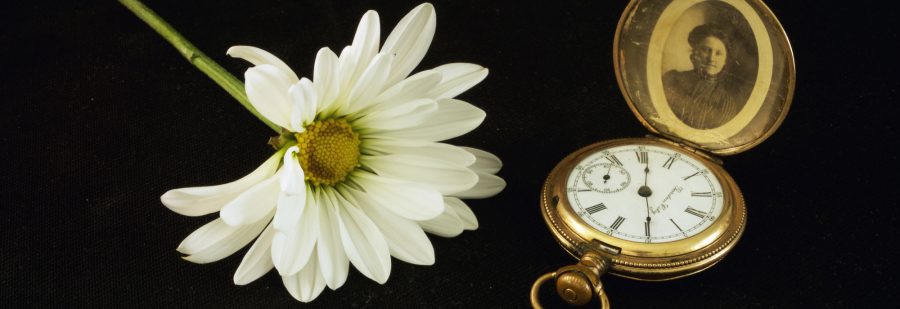
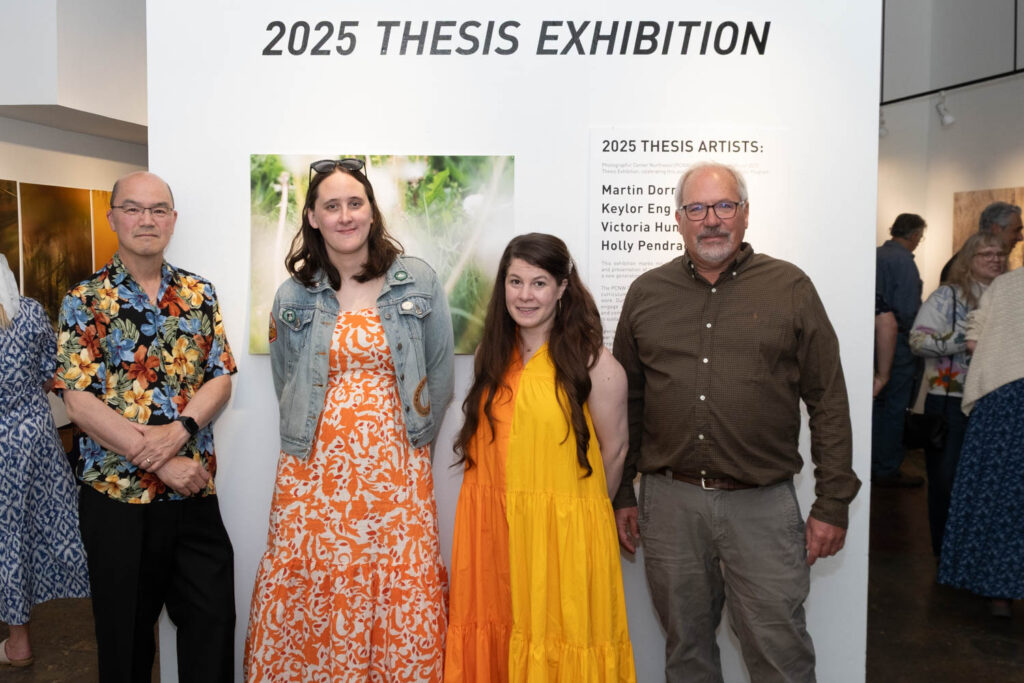
Image Credit: Lilly Everett, 2025 Thesis Graduates (L to R) Keylor Eng, Victoria Hunter, Holly Pendragon, and Martin Dorn
Welcome New Graduates!
Welcome new graduates from PCNW’s Certificate in Fine Art Photography program!
A packed crowd of friends, family, faculty and PCNW alums gathered at Photographic Center Northwest’s Gallery to welcome four new graduates at a graduation reception Saturday, June 28 — Martin Dorn, Keylor Eng, Victoria Hunter and Holly Pendragon.
The exhibition marks the culmination of a 53-credit program and presents a year-long thesis project. We hope you will come take a look at their work in the gallery and join them in conversation on Thursday, July 17th at 6pm.

Image Credits (L to R): Martin Dorn, Keylor Eng, Victoria Hunter, Holly Pendragon
2025 Thesis Exhibition
on view through August 17, 2025
Gallery Hours:
Monday – Thursday 12-9pm
Saturday – Sunday 12-6pm
(closed on Fridays)
Thesis Exhibition Artist Conversation
July 17, 2025 | 6pm at PCNW
Alumni Highlights
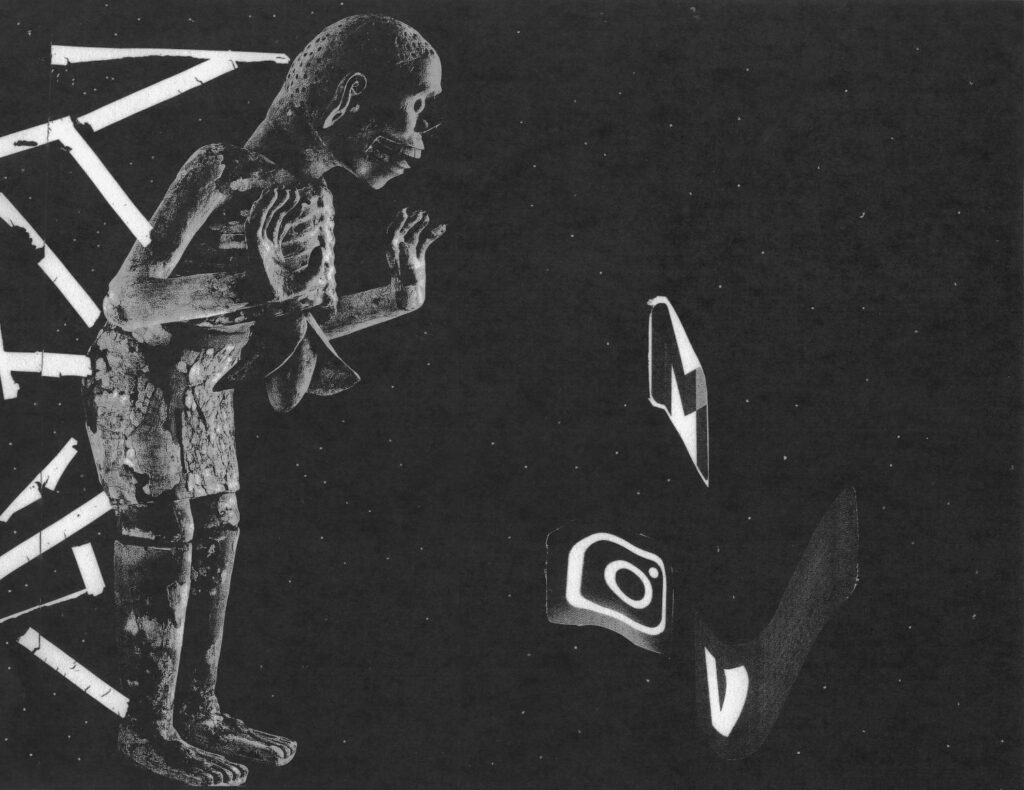
Image Credit: Paulo Gonzales
Paulo Gonzales
graduated Seattle University 2017 (through SU partnership with PCNW)
interview by Joan Dinkelspiel, grad. 2017
How did Seattle University (SU) prepare you for your role as Outreach and Development Associate at PCNW? What about your work most gives you a sense of accomplishment?
SU prepared me for my roles in PCNW in many ways, but I think the most significant way it prepared me was in establishing relationships with community members. Even courses like art history and learning different photographic techniques have had an influence when I’m working on something like program development. What gives me a sense of accomplishment is knowing that playing a role in PCNW’s success means that other photographers can be successful in that they have a place and community that continues to give them the resources they need to express and connect through photography.
While at SU did you take many of your photography classes at PCNW?
Yes, a majority of my photography classes were at PCNW during my years at SU. A big reason why I decided to get my education at SU was that I was able to take classes at PCNW. I thought to myself, “Wow, here is a whole building dedicated to photography, how special is this?” It was an easy choice.
I did take, however, some very valuable photography classes at the SU campus, like critique courses, and photo history classes that opened up eyes and mind.

Image Credit: Paulo Gonzales
What about your education prepared you to be the photographer and project manager that you are?
My education prepared me in many ways. One example was that I got to work in group projects with fellow students, and I feel that having the experience of reaching a common goal with peers instilled confidence in me in my professional life. I was never into athletics or team sports growing up, so my experience with working on a team in a creative environment definitely informed and prepared me for my current role.
I also want to note that I started SU much later in life (in my 30s) compared to my peers. While that had its own set of challenges, I feel lucky enough to have had the opportunity to attend SU. I am currently enrolled in SU’s Arts Leadership MFA program, and am happy to be back on campus.
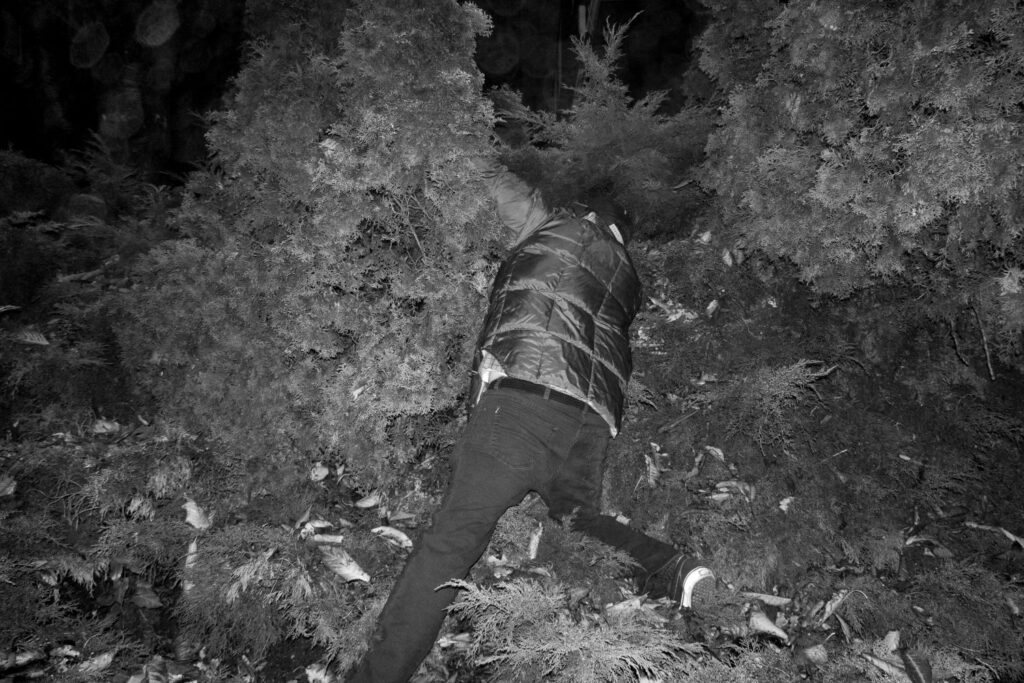
Image Credit: Paulo Gonzales
What inspired you to make small books and zines? What is most satisfying about making small books and zines?
Zines or small books were popular among my peers going back to my middle school years. The types of zines that reached my circle of friends were mostly music-related. I was impressed at their simplicity — paper, words, photos, and staples. They were accessible. I remember taking those initial impressions and starting something similar by making band fliers. We had an older fax machine in our house that was given to my dad (he never used it) that made copies on a coated paper that left a distinct smell after using it. I’d print collages and fliers on the fax machine, and then take that copy and run them through a coin-operated copy machine at the grocery store. That led me to making my own foldable zines with collages and writings. Nothing I’d call a proper photography zine. Again, for me, at that particular time, I associated zines with music and collage.
After some time, I lost interest in this process and got into darkroom-based photography in high school. I never thought of combining photography and the zine making process until shortly after graduating high school. I started picking up photographic zines in the 2000s which reignited my interest.
I’d say the most satisfying part of making a small book or zine is the process of making it. From concept to sequencing, to the conversations, the frustrations, the connections. Lately, the process has been more gratifying than the end result. I enjoy working with limitations, and the zine/small book format definitely has its limitations. It’s also satisfying that I can get my work “out there” in a more economical and immediate way.
Tell me more about Piggy Bank Zines?
Piggy Bank Zines was started as a way for me to exhibit and sell my zines at local fairs. It grew into showcasing my friends’ work over the years. I notice there aren’t that many independent photo zine/book makers compared to say illustrative or literary zine makers, so Piggy Bank is an outlet for them to get their work “out there.” I recently tabled in Japan and was proud to represent our work outside of the U.S.
One important ethos to Piggy Bank is that it strives to sell work in-person rather than online (at least for now) to challenge a world where most things can be bought and sold with a click or swipe.
Who knows where it will go, but I’m excited to see what the future holds for Piggy Bank.
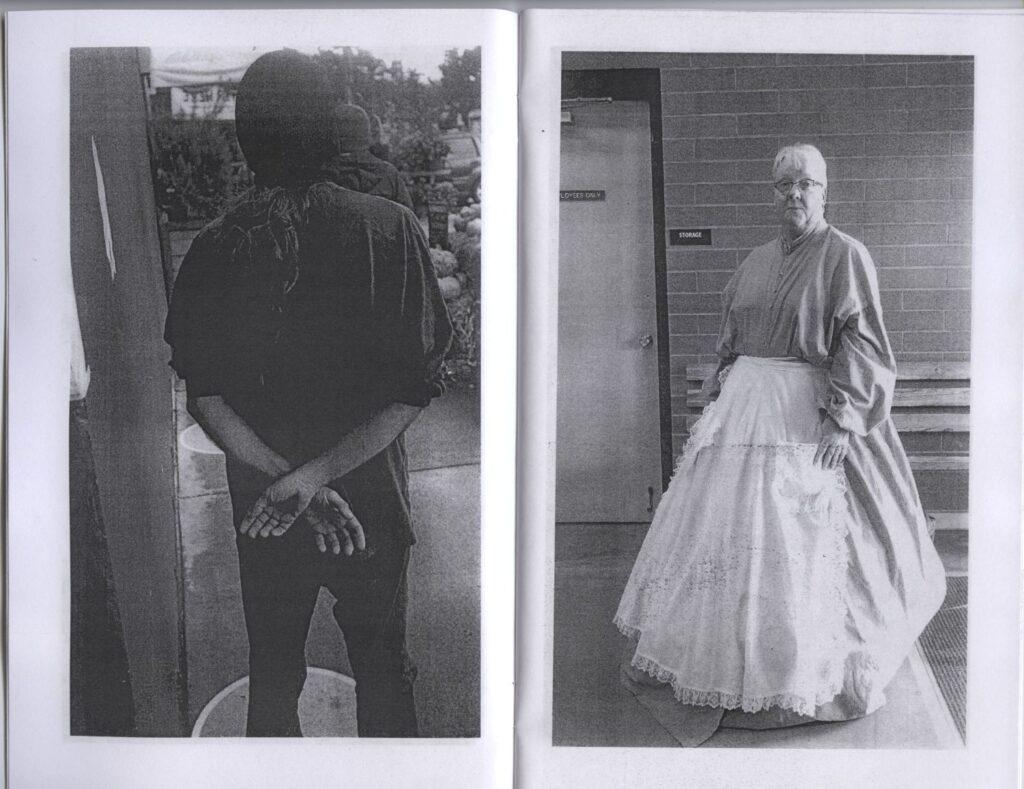
Image Credit: Paulo Gonzales
What led up to your interest in photography and your desire to pursue a BFA in photography?
My interest in photography started in my early teens. My father and brother were talented in painting, drawing, and sculpture. I never was good at those mediums, but I had a desire and interest to create. The first camera I got my hands on was a camcorder, and I took on the task to record my aunt’s wedding. I loved its ability to document a moment in time. Shortly after, I picked up a film camera, broke it in the process, but I got my hands on another one in high school and never looked back. I loved that I could compose an image within a frame and express myself without relying on paint or a pencil.
Have you continued with the themes you explored in your undergraduate thesis project? If so, where and how do they show up in your current work?
For the most part, no, but I bet if I really sat down and looked at more recent images, I would find a connection. I’d say where I see the most connections is in my self-portraits. Some of the same ideas of deconstruction and messiness show up in those images.
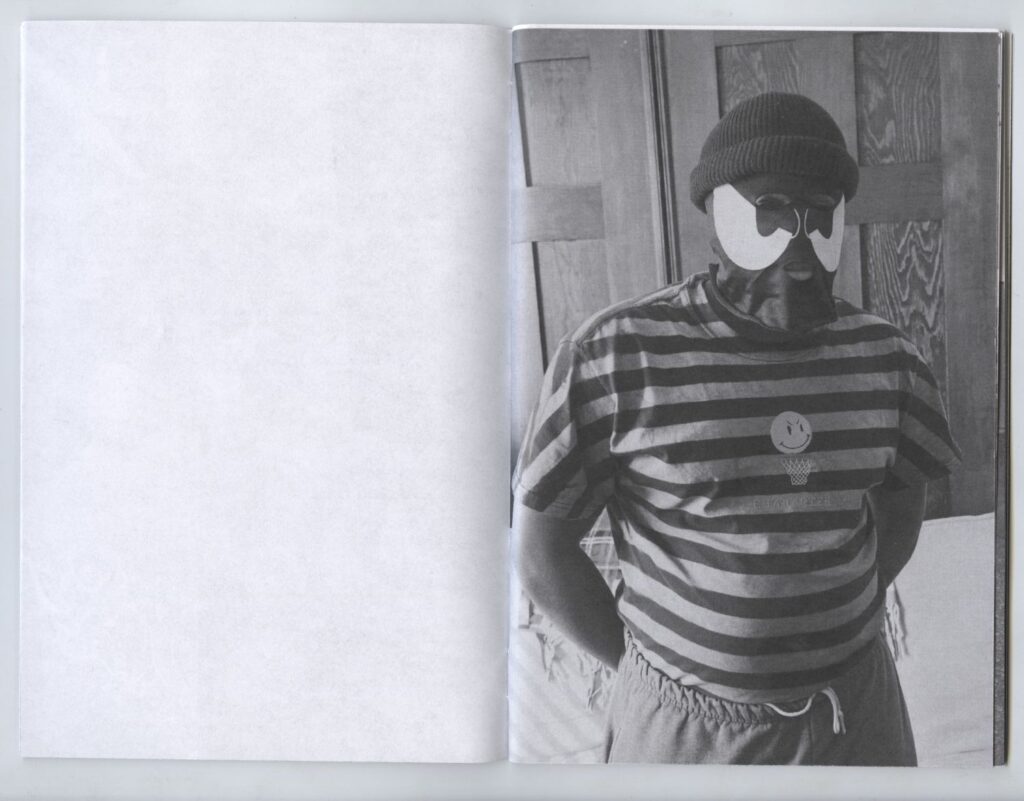
Image Credit: Paulo Gonzales
Do you consider your photographs of buildings portraiture?
Sure! In some ways they can be. I’d say that buildings project certain characteristics (or sometimes a lack of, for that matter), just like people do. Architecture can most definitely reflect values and beliefs of a culture, which is what portraits capture. I can see some parallels there.
How would you describe your creative work in general since graduation?
I’d describe my work as documentary with some conceptual/experimental work in the mix.
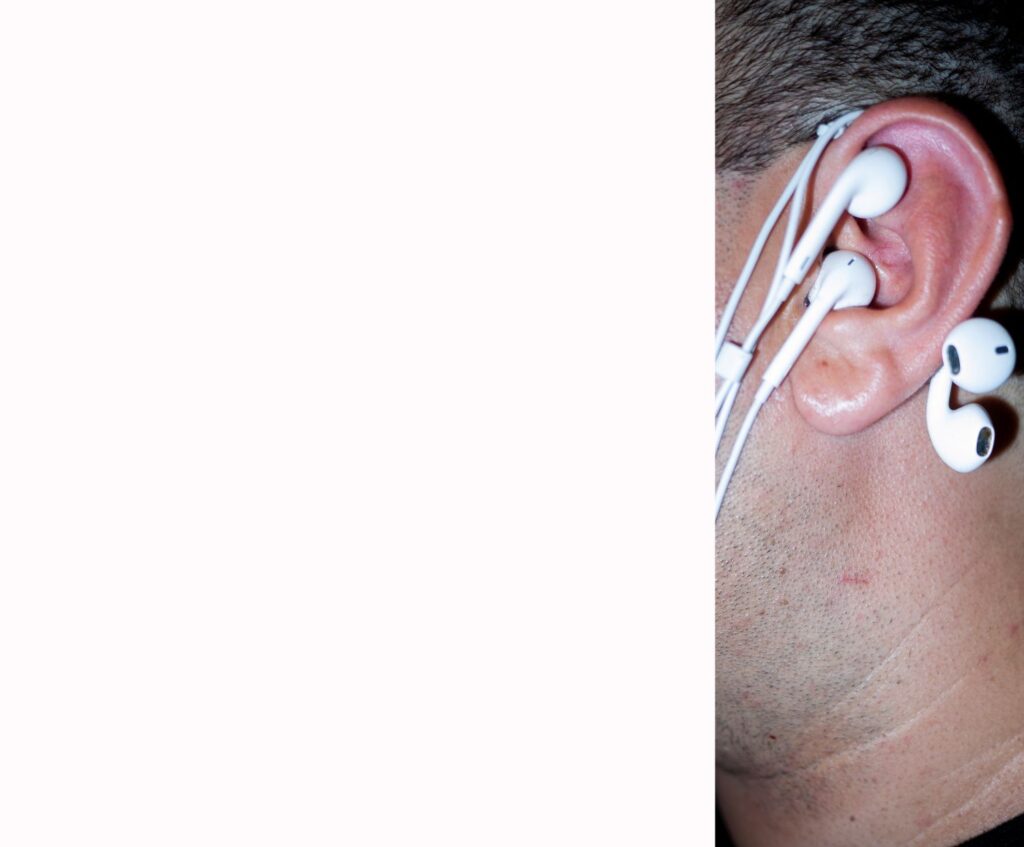
Image Credit: Paulo Gonzales
Do you work in other mediums as well as photography?
Yup, I sometimes like to play music and I also like drawing with pastels, markers and ink.
Any new projects, zines or exhibits?
Always. I’ve got some new collaborations coming up for Piggy Back Zines with some international photographers and I’m working on more conceptual/ personal work since starting grad school that I’m excited to share.
For more about Paulo Gonzales:
www.paulogonzales.net
Instagram @aintnofeebleplo
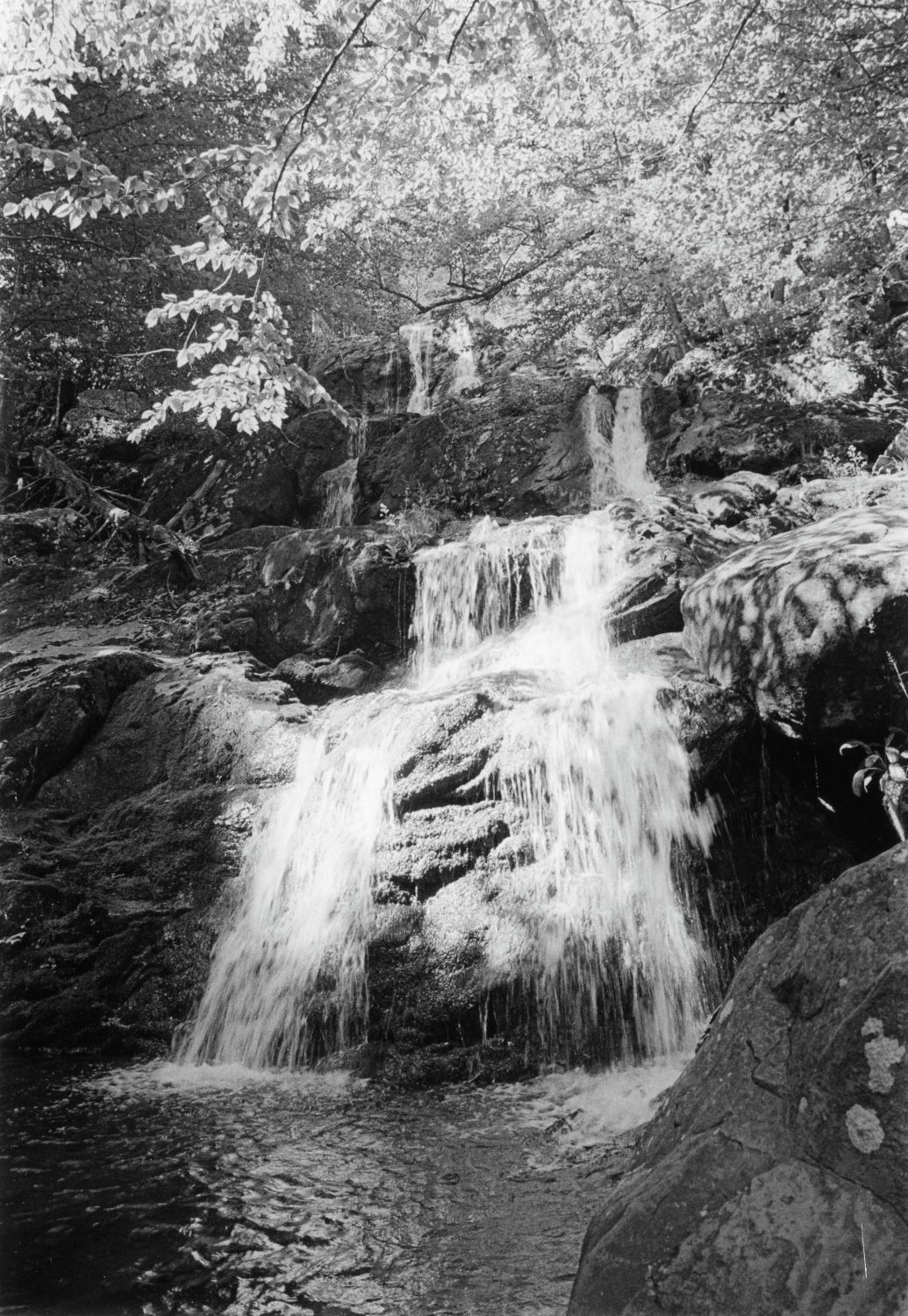
Image Credit: Karen Howard
Karen Howard
graduated 2001
interview by Lisa Ahlberg, grad. 2005
Karen, you work primarily with black and white film. Can you share why this has been your medium of choice for so many years? Do you have a favorite subject matter?
When I graduated from PCNW in 2001, FILM was the primary medium for photography. During the thesis experience I discovered that when creating was playful, the images were more satisfying and successful. If I struggle or dread heading into the darkroom I know I’m following the wrong path and try a different approach.
I love to travel, experience and share through my photos. When I completed the certificate program I was mostly a street photographer but now I’m a nature photographer. I photograph when the light or object captures my attention. Most of my images are produced on solo road trips and National Park visits. I currently use a 1984 Hasselblad and 1980 Olympus OM1n with Tri X film developed in Rodinal.
Why film? I enjoy the tactile work in the darkroom to create physical prints. Why black and white? I believe it makes the viewer look at the subject in a fresh way, creating a new experience that helps build connections to the real world.
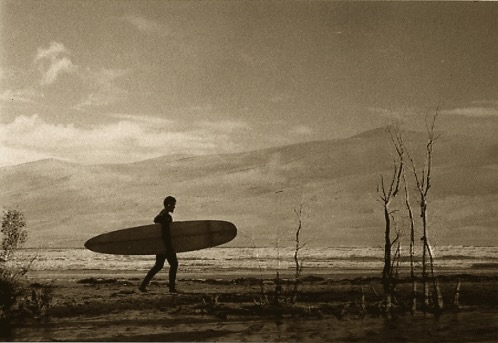
Image Credit: Karen Howard
At the PCNW alumni critiques, I’ve appreciated how you are regularly shooting film, printing and experimenting with alternative process and making books. Can you tell us more?
One way I present a body of work is sequencing images in handmade books. This accomplishes a few things: putting fine art silver prints in someone’s hands, sharing my viewpoint, and finishing a project.
My current work is cyanotype. Travel in Antarctica this February produced a lot of beautiful “postcard” images but I want to create something different from what is normally expected of travel photos. It also challenges me with new materials, allowing me to play and experiment.
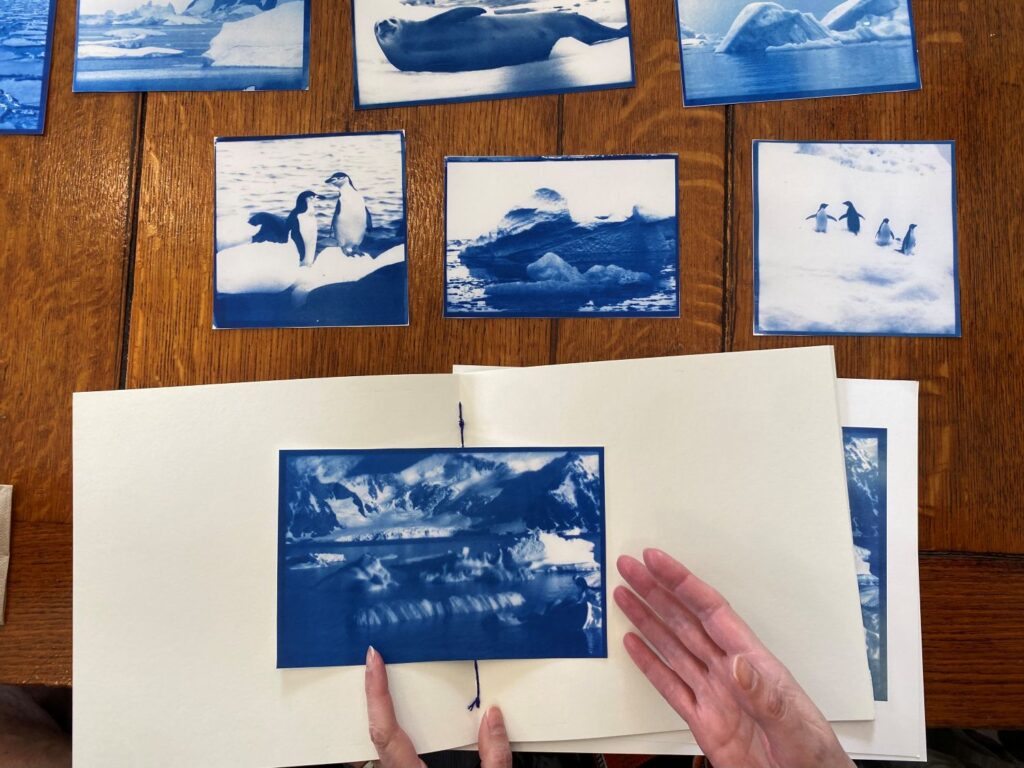
Image Credit: Lisa Ahlberg, cyanotypes by Karen Howard at alumni meet-up
How do you remain inspired to continue making work?
Community is important and inspiring. The West Seattle alumni critique group allows me to share new ideas and get supportive feedback when I’m uncertain of next steps. Because we’ve all gone through similar peer critiques at PCNW, we’re communicating comparable ideas.
I’m also part of two communities of photographers in California and in New Mexico. We meet once a year to present recent photo-based work and support each other’s vision. These artists enrich my life simply by sharing themselves and their creative minds with me. The annual gatherings also give me a deadline to create new work each year!
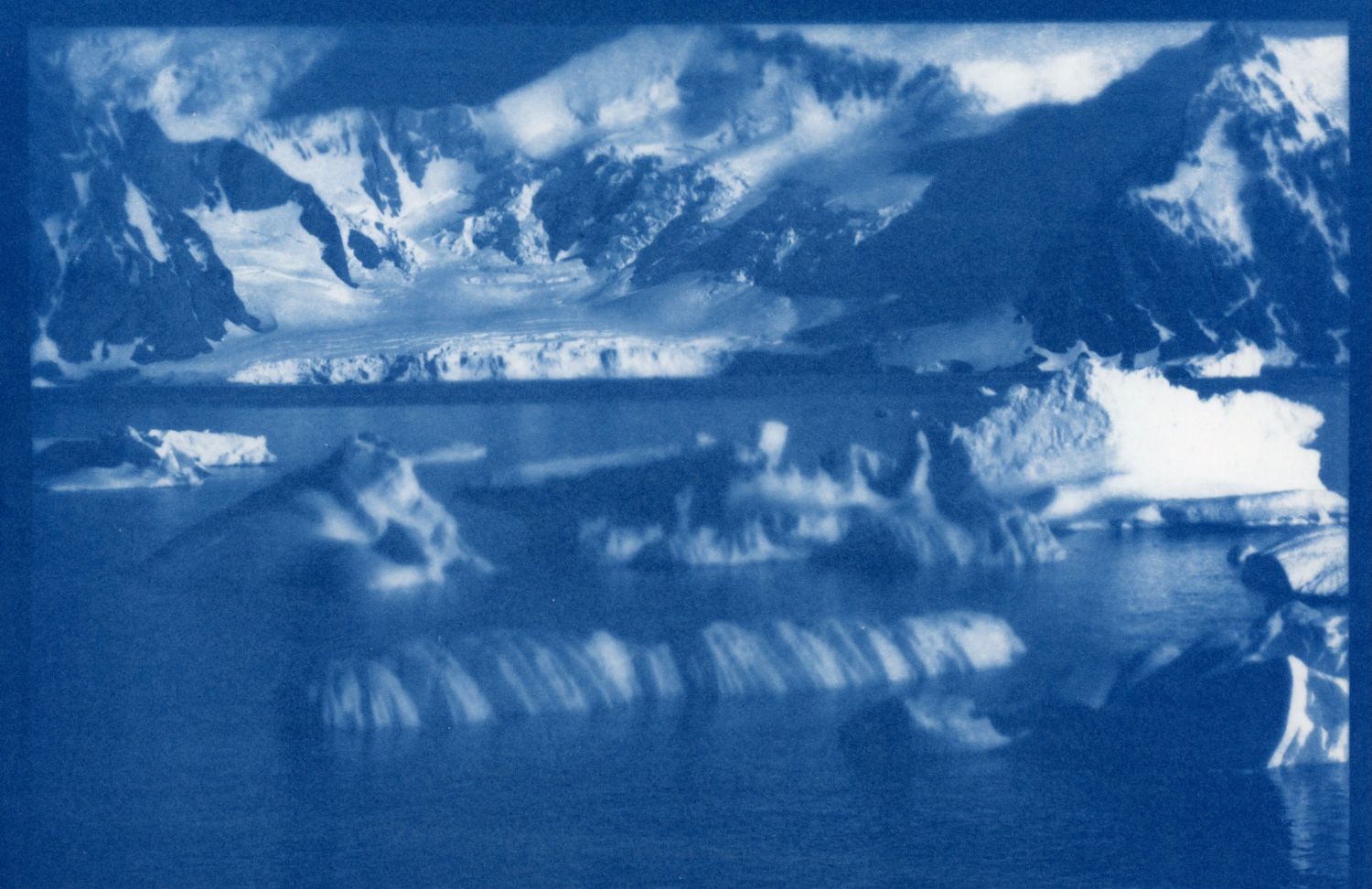
Image Credit: Karen Howard
For more about Karen Howard:
www.fotosbykarenh.com
I’m also on the PCNW Alumni Facebook page if you want to communicate with me.
Alumni Updates / News / Exhibitions
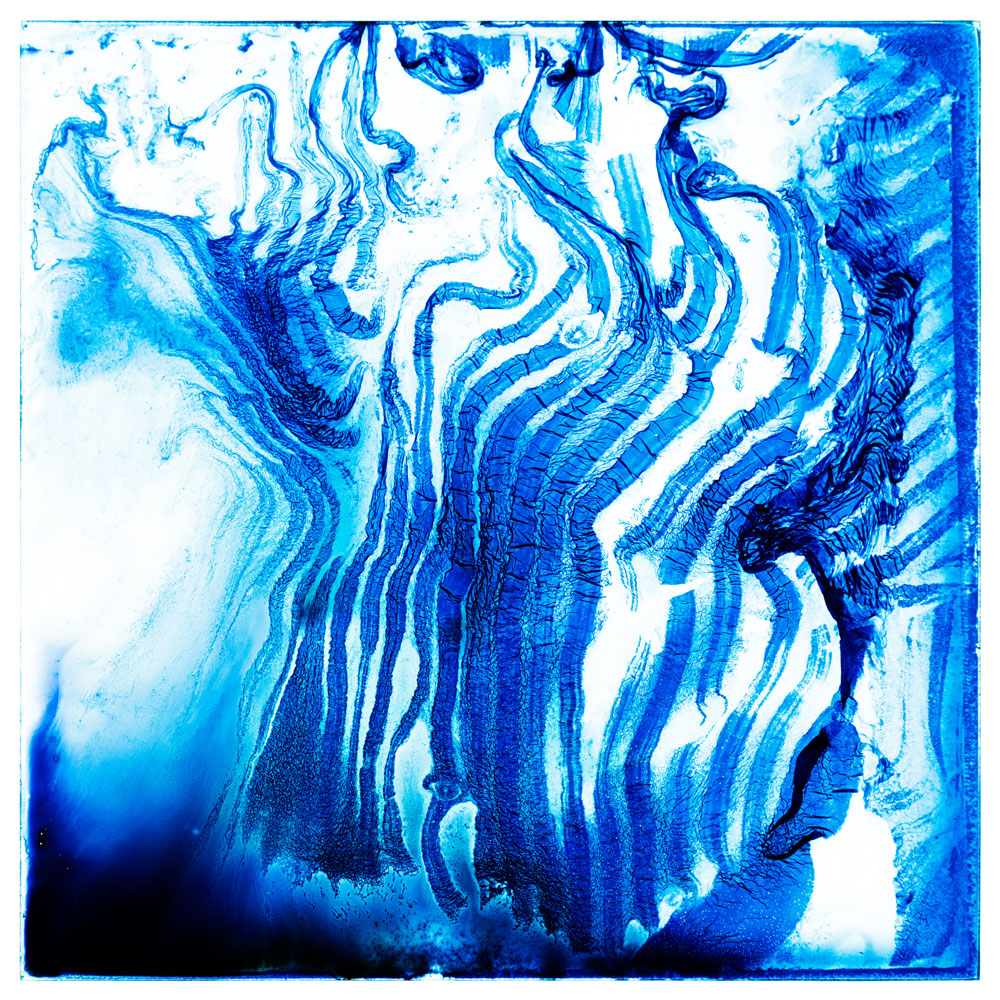
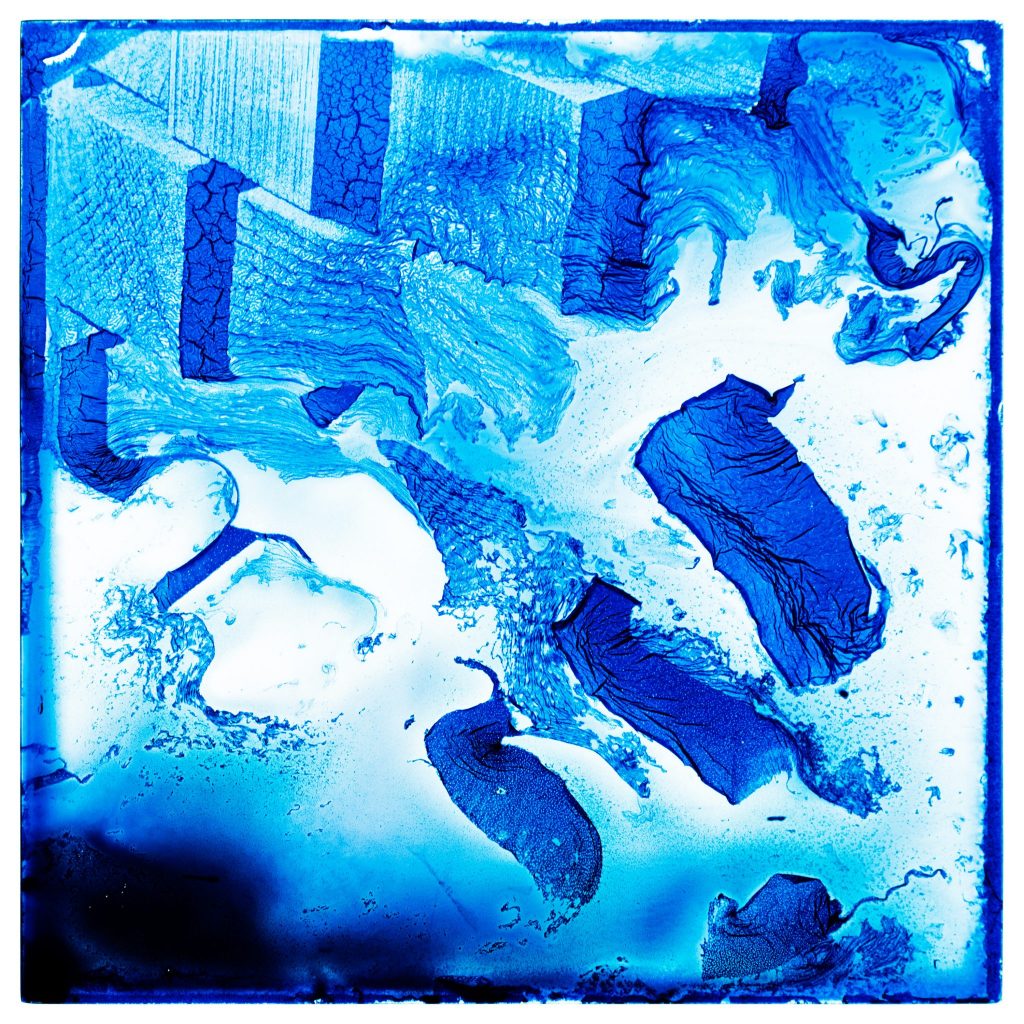
Matt Ragen at the Holocaust Center for Humanity in Seattle
Veils on view August 17 – September 28, 2025
Grand Opening: August 17th from 2-3pm with an Artist Talk
Matt Ragen, graduate 2022, will exhibit work at the Holocaust Center for Humanity in Seattle. Matt explains, “This features a series of work that I started four years ago. It tells the story of a secret that my grandfather kept for almost fifty years and how I have engaged with that. I will also lead an artist talk and there will be a reception.”
Matt was able to secure artist grants from the Seattle Office of Arts & Culture and the King
County 4Culture to support the production of the work.
Holocaust Center for Humanity
2045 2nd Ave Seattle, WA 98121
Image Credits: Matt Ragen
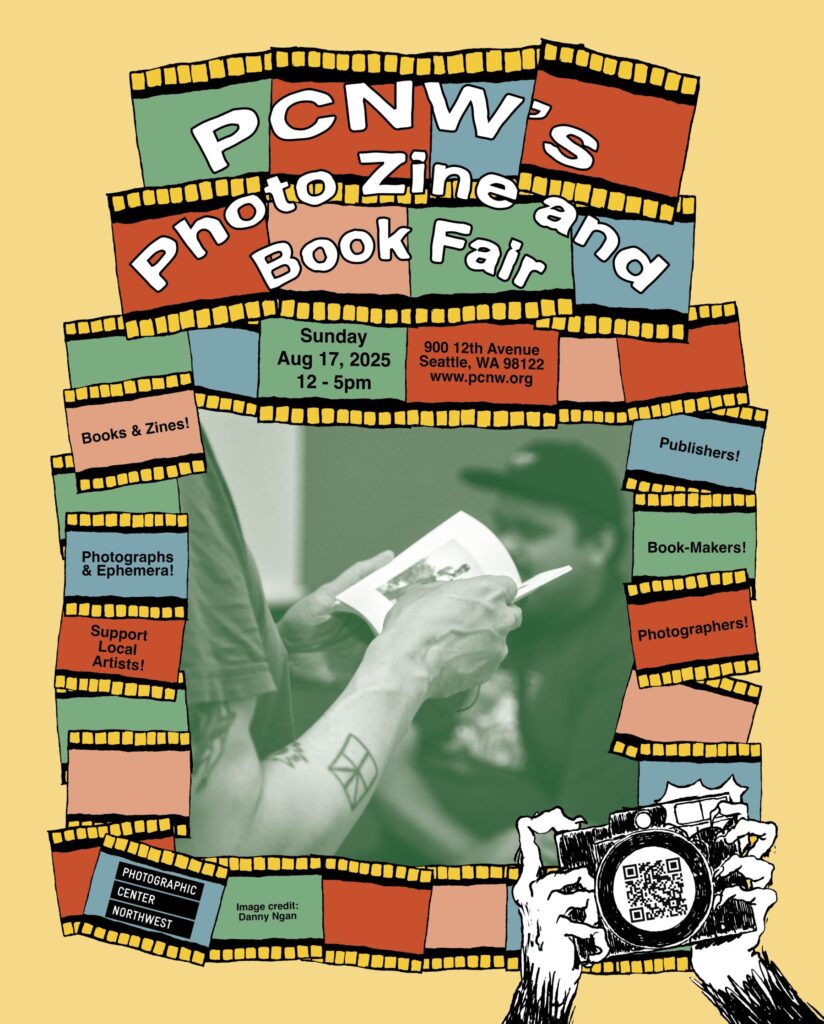
Alumni at PCNW’s 4th Annual Photo Zine & Book Fair
August 17, 2025 | 12-5pm
Mark your calendar for Sunday, August 17 from 12-5pm to join us for PCNW’s 4th Annual Photo Zine & Book Fair.
Several alums are participating and it’s a wonderful exchange of creative zines and books. If you’re a PCNW Alum, let us know if you have a new book or zine and want to join us at our table. There might still be room. Email: alumni@pcnw.org
We hope to see you there!
Alumni Critique Groups
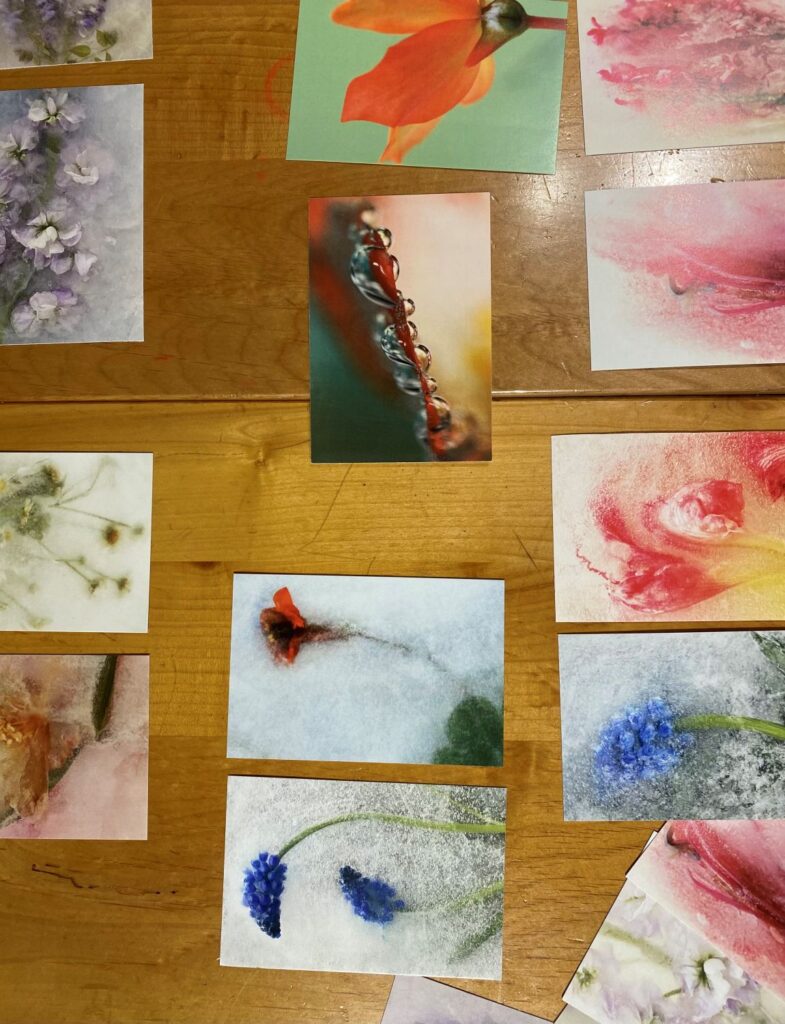
Image Credit: Prints by Ineke de Lange
Are you a graduate or current student of PCNW’s Certificate in Fine Art Photography? You’re invited to join us at one of our Alumni Critique Groups!
Feel free to join in at any time to either group and bring new work to share.
WEST SEATTLE
Meets Second Wednesday of every month @11 – 1 am
Where: West Seattle Uptown Espresso / 4301 SW Edmunds St., Seattle , WA
More info: Al Varady at alvarady@gmail.com
SEWARD PARK (on hiatus for Summer)
The Seward Park First Wednesday Alumni Critique Group will take a hiatus over the summer. Check the next quarterly newsletter for details about when it will start up again.
Alumni Association Update
What is the Alumni Association and who is a member? The PCNW Alumni Association includes and is for all graduates of the Certificate in Fine Art Photography. We have a volunteer leadership committee that seeks to deepen the connection between Alumni, current Certificate Students, and PCNW, and explore ways in which we can further support, elevate, and celebrate one another.
Are you a graduate who is interested in getting more involved? We intend to renew the committee on a regular basis, with new members, and think this group can lead some great initiatives. Reach out to us at alumni@pcnw.org if you’re interested in joining the leadership committee, have ideas to help foster connection and professional development, or if you’d like to support upcoming initiatives.
Are you an alum with an upcoming exhibition, book launch, lecture, portfolio review, or other
event that you’d like us to feature in a future Alumni Newsletter and/or on the PCNW Alumni
page? Tell us about what you’re up to by completing the Alumni Survey Form or e-mail us at alumni@pcnw.org.
Posting on Instagram? Add another hashtag to your work: #pcnwalumni
Thank you to our current volunteer leadership committee members: Lisa Ahlberg, Gwen Emminger, Andy Holton, Janet Politte, Matt Ragen, Anna Ream, and Al Varady. Our Chairperson is Gwen Emminger.
Additional thanks to the alumni who contributed to making this issue of the newsletter happen, especially: Lisa Ahlberg, Jennifer Brendicke, and Joan Dinkelspiel.