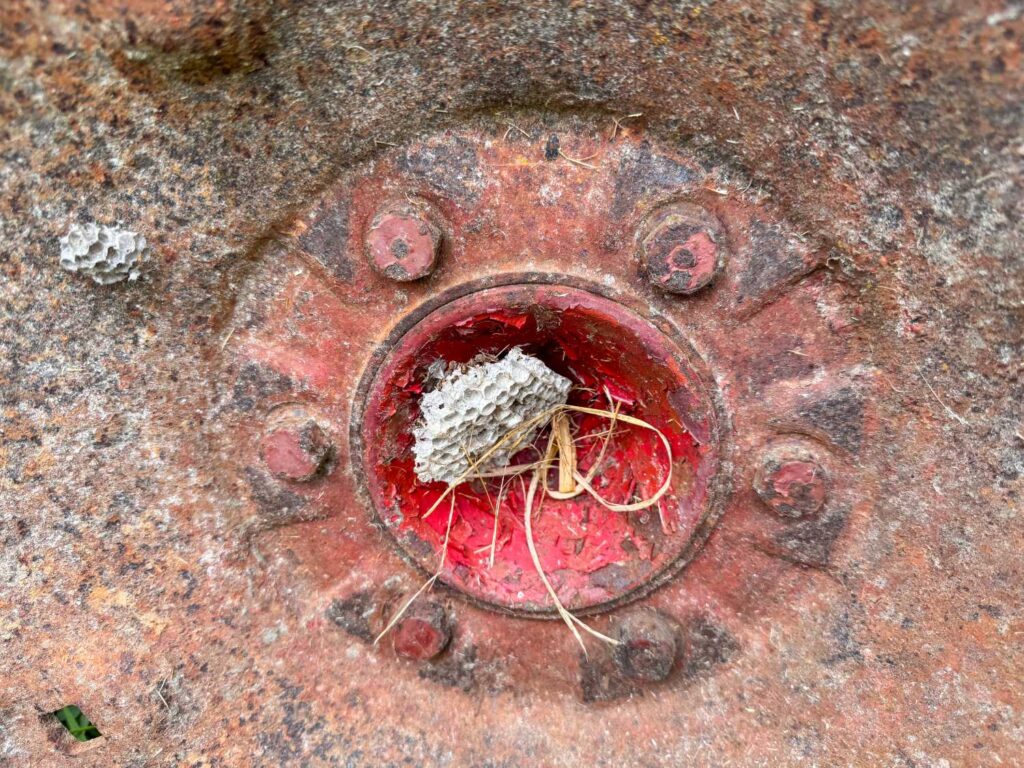
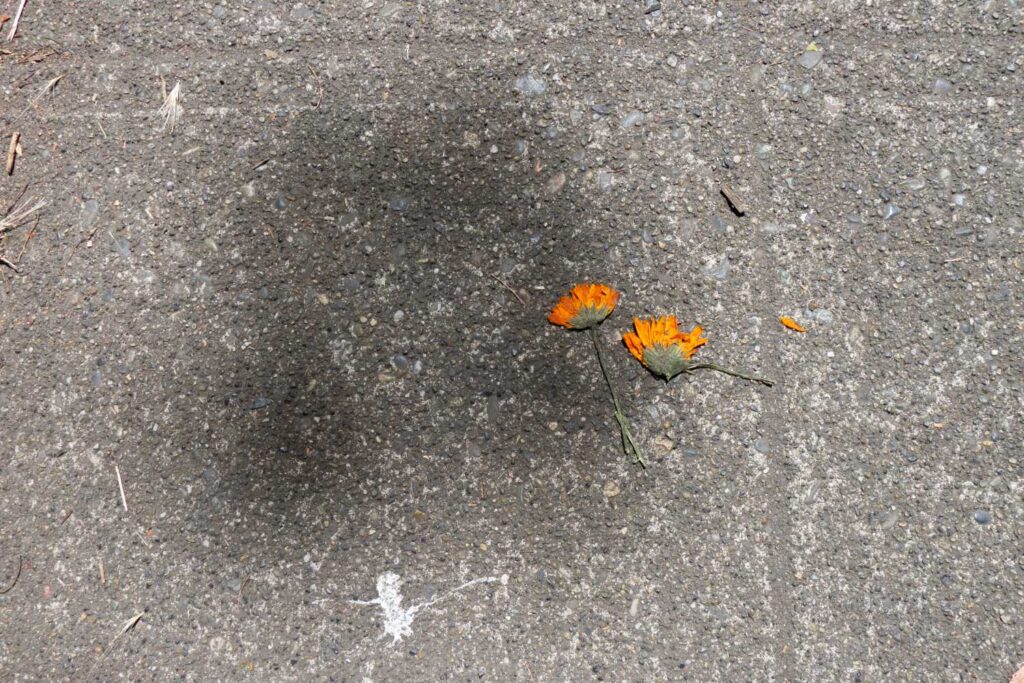
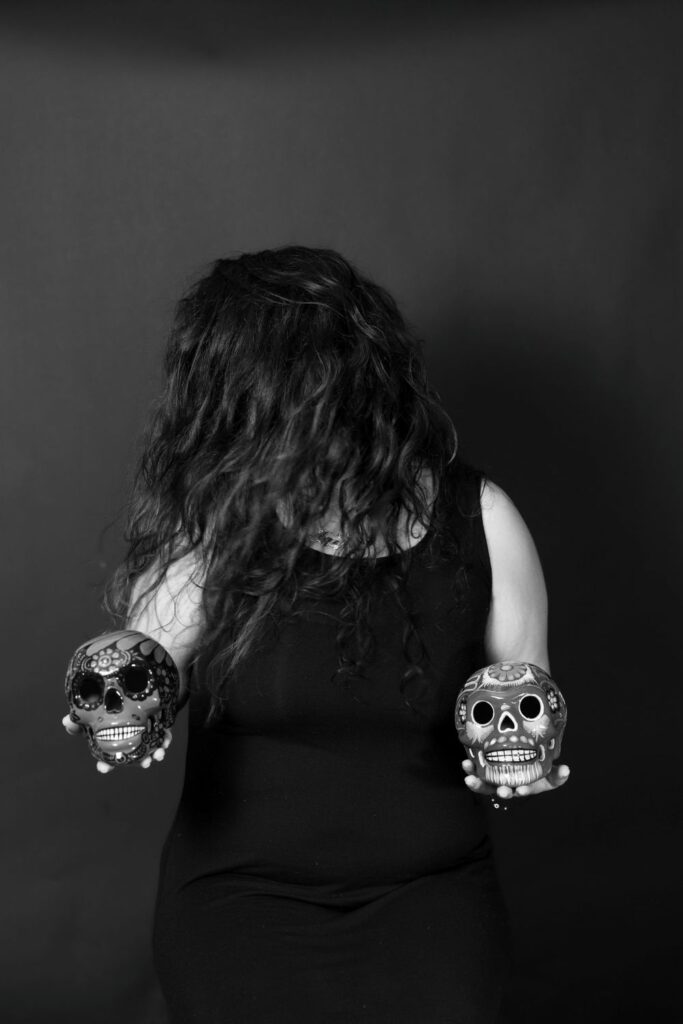
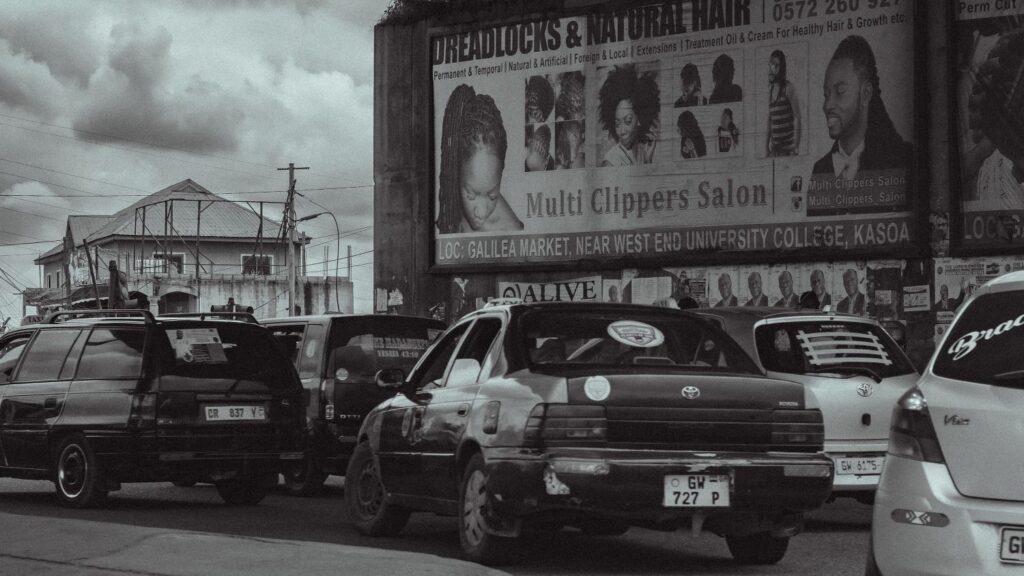
PCNW is proud to continue offering programming as part of our series Photography as an Agent of Change in 2025. This workshop series centers themes of social justice, racial equity, disability and access, environmental justice, visual literacy, and storytelling. In the fourth iteration of this series, we offered four free workshops taught by local artists, and in partnership with the Frye Art Museum. We’re excited to share a recap of the inspiring workshops that took place earlier this year.
“My favorite part of this workshop was seeing the others’ projects…Being involved in this workshop, I was able to create in a new space. I felt connected to the people and the place in a way I had not previously felt with the Frye. It was so special to work alongside an artist whose work was also being exhibited in the space” – Madi, Workshop Participant
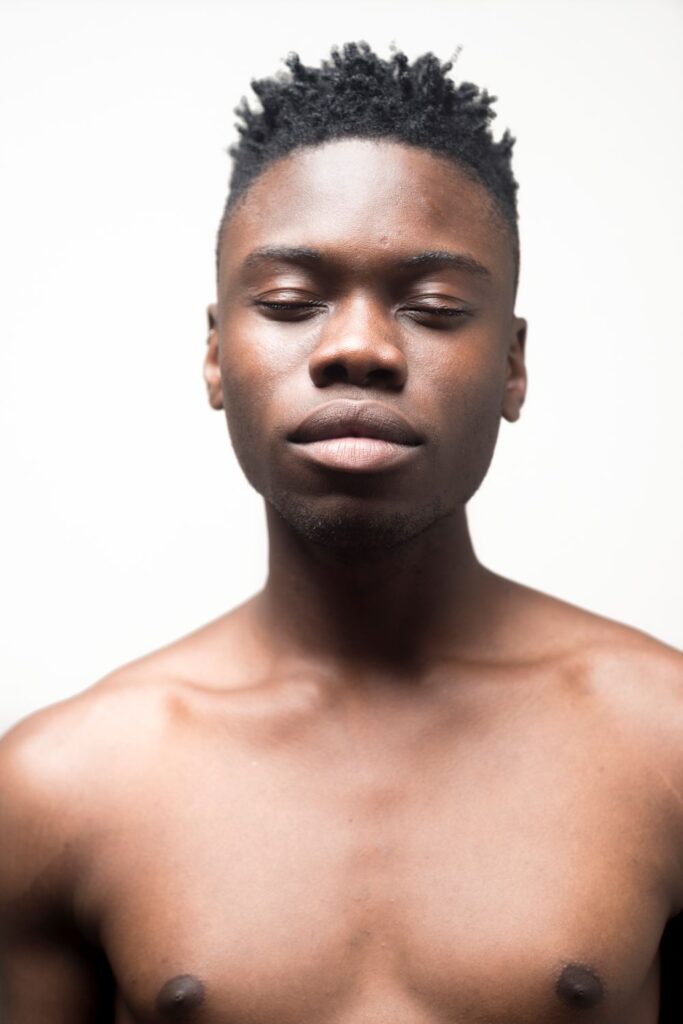
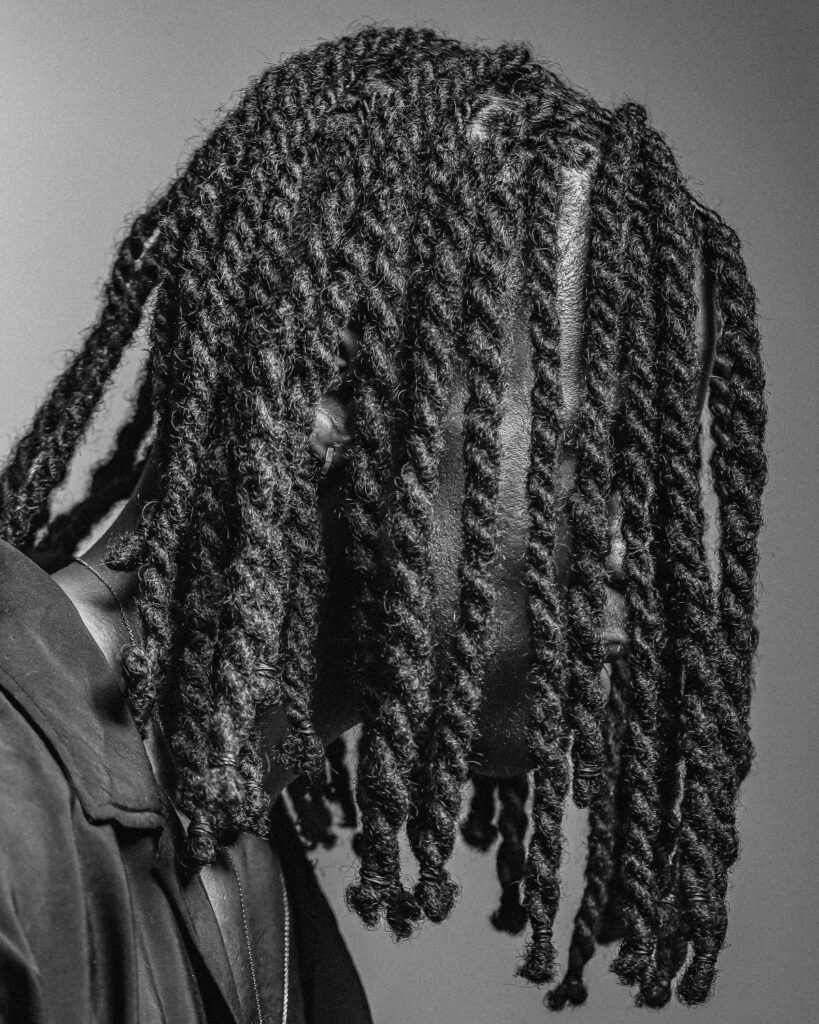
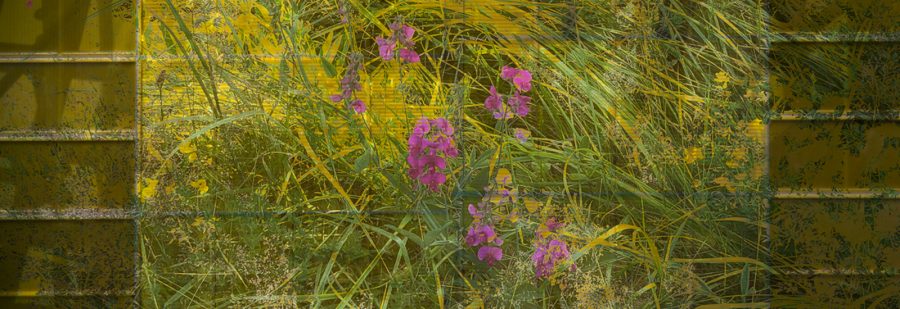
Image Credits: Madi Stephens and Paulo Gonzales
Yes, And: Portraits, Power and Poetry
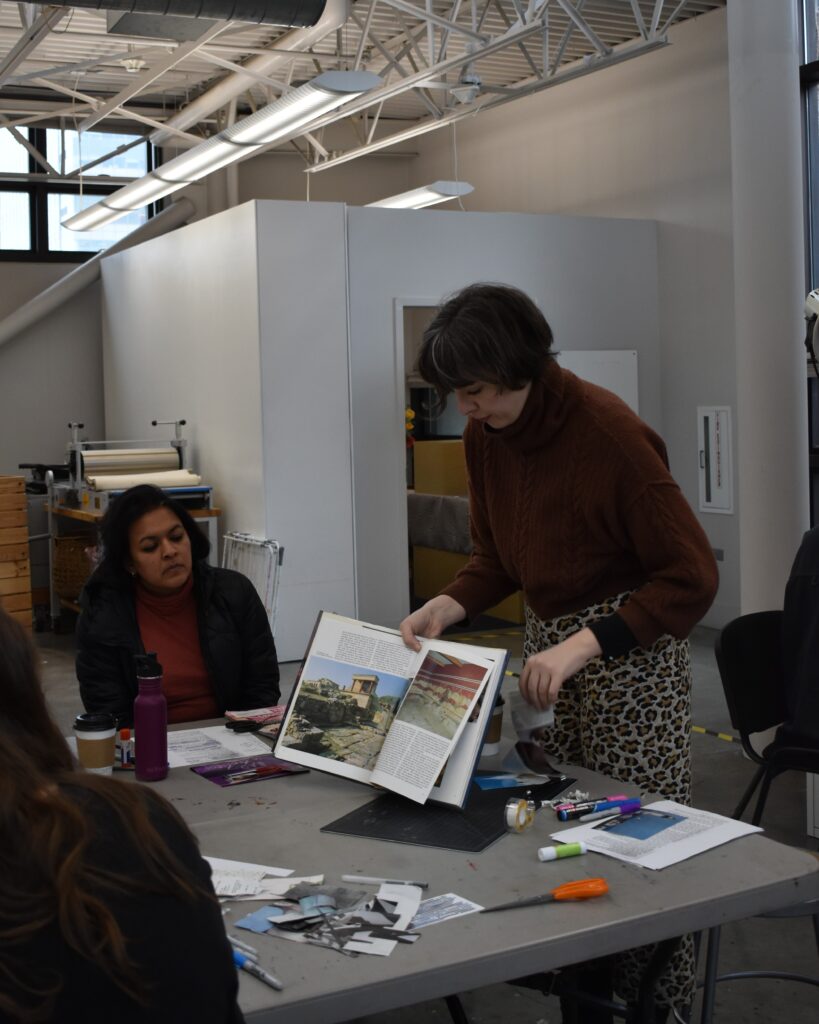
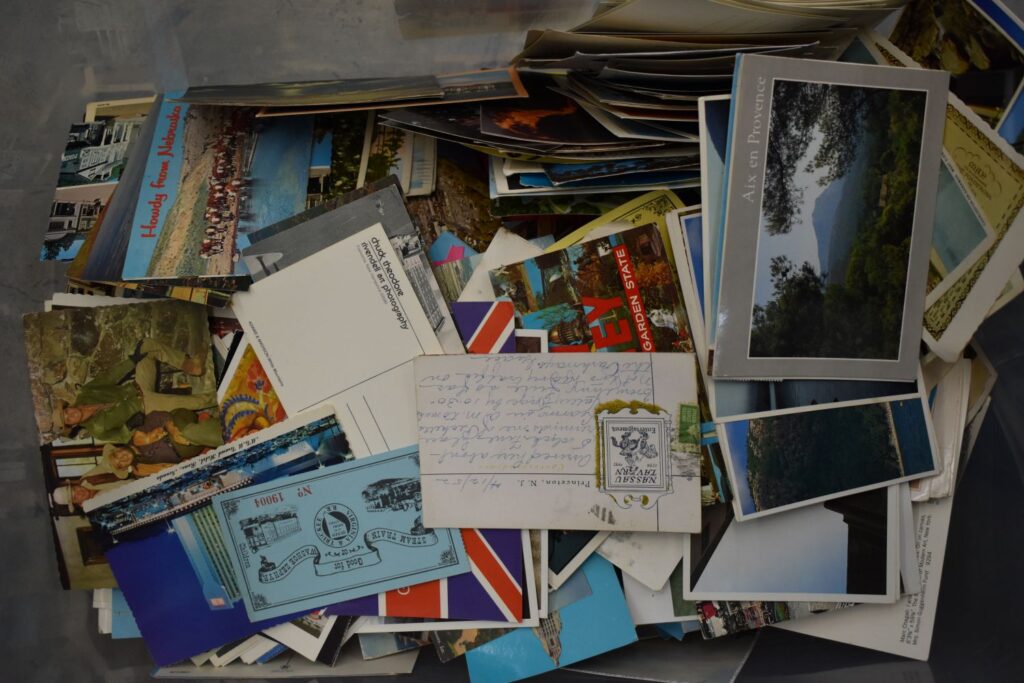
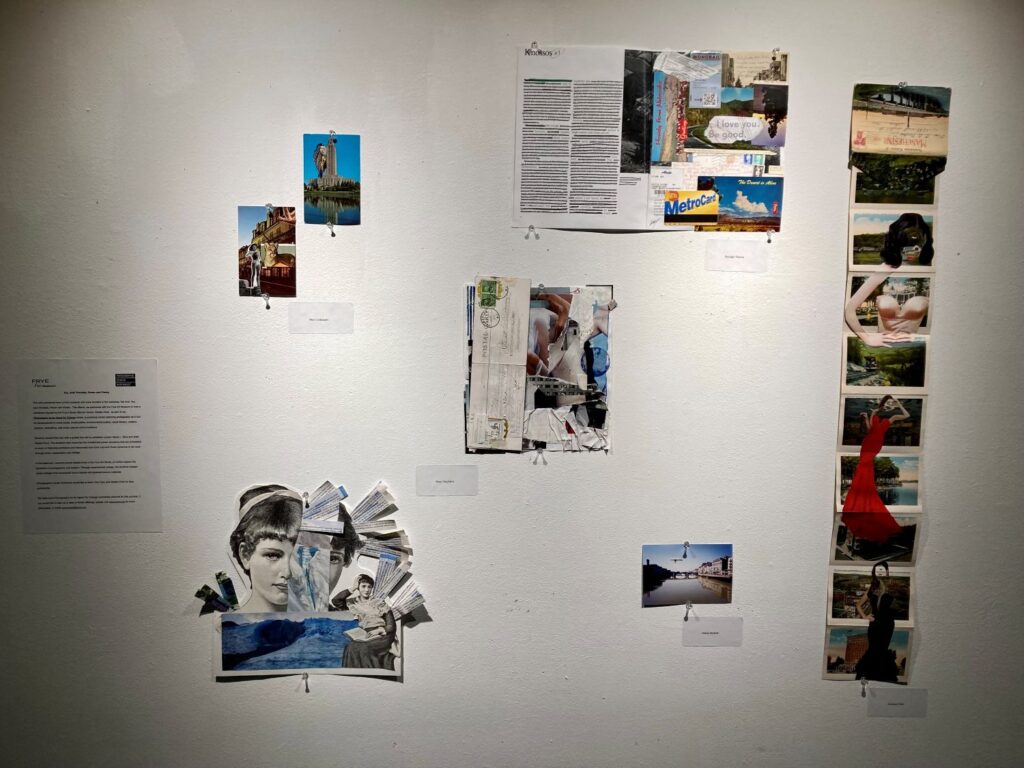
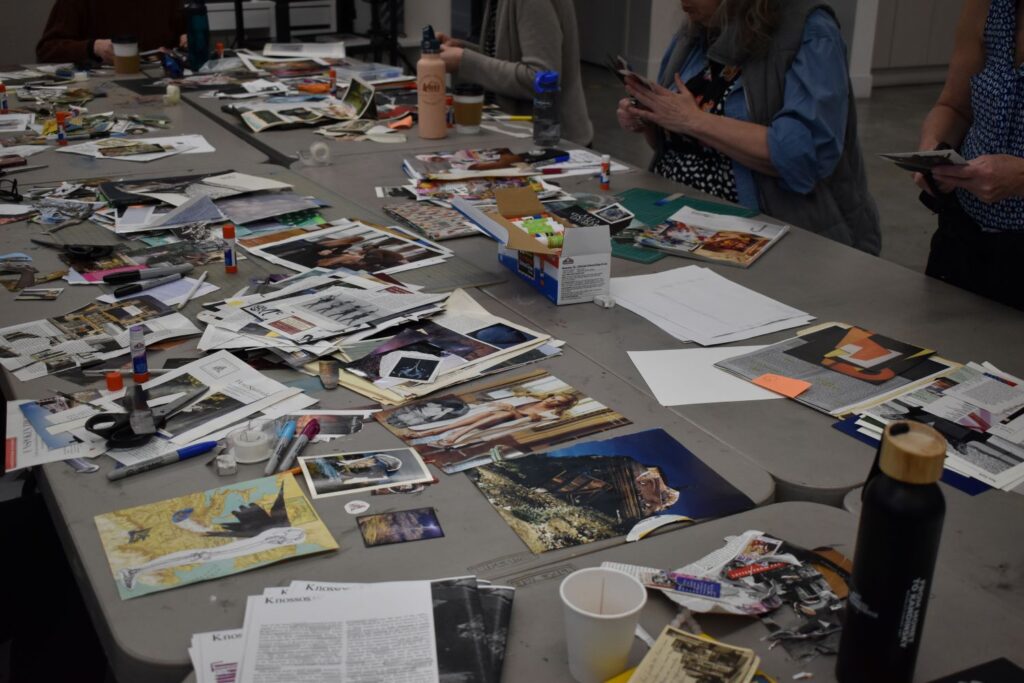
In March 2025, we partnered with the Frye Art Museum for their Yes, And series with artist Natalie Krick. The workshop, entitled Yes, And: Portraits, Power and Poetry, gave students the opportunity torespond to Natalie’s work for the Frye’s Boren Banner series. Students started their day with a guided tour led by exhibition curator Alexis L. Silva and artist Natalie Krick. The students then examined the imbalanced power structures that are embedded in much of historical portraiture and discovered how Krick subverts these dynamics in her work through photo manipulation and collage. In the afternoon, students joined Natalie Krick in the Frye Art Studio, to further explore the dynamics of photographer and subject. Through experimental collage, the students created photo collages that incorporate found objects and personal source materials.
Make Way: Queer Identity, Community and You
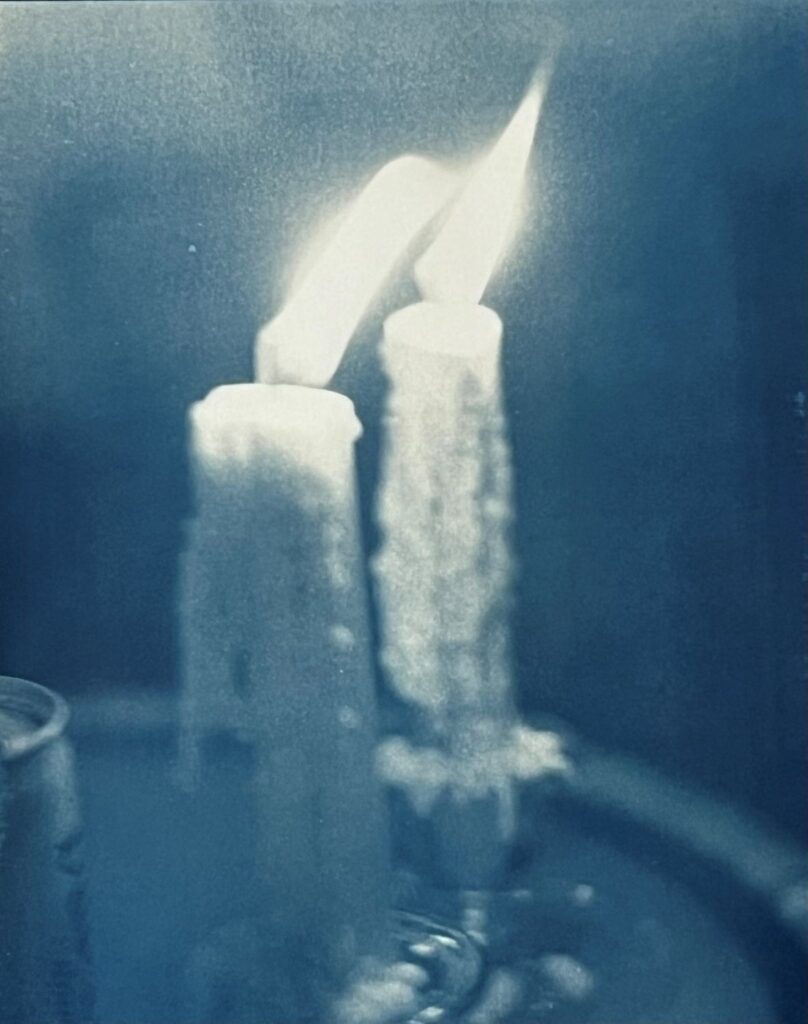
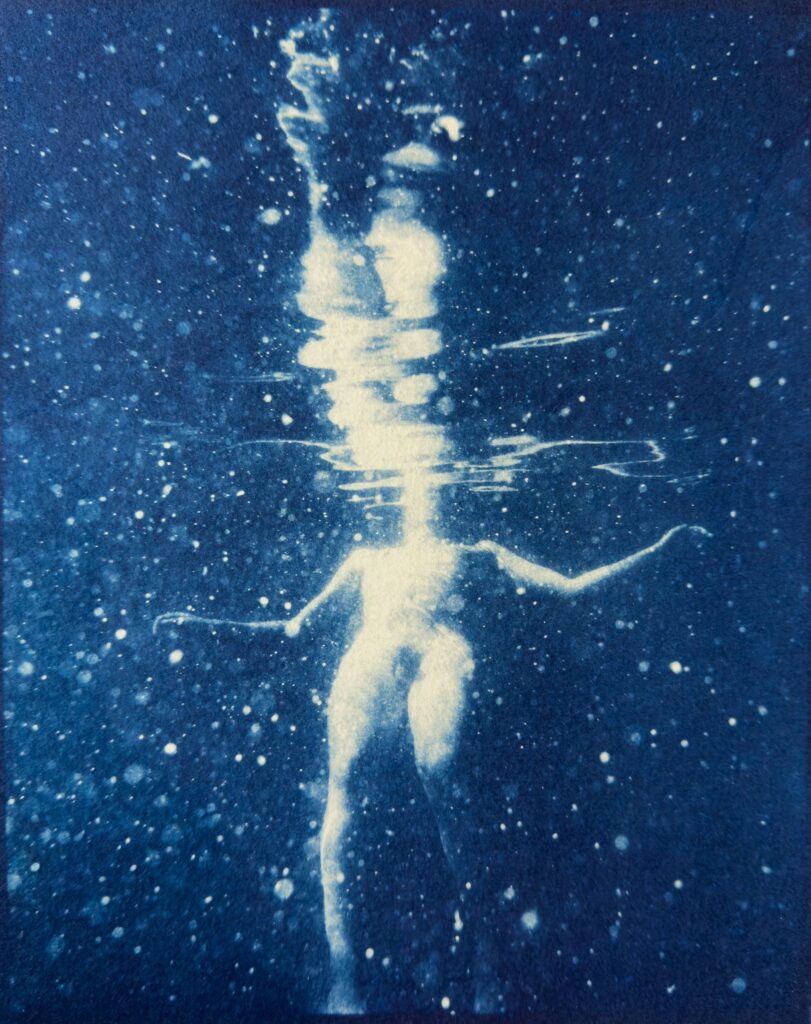
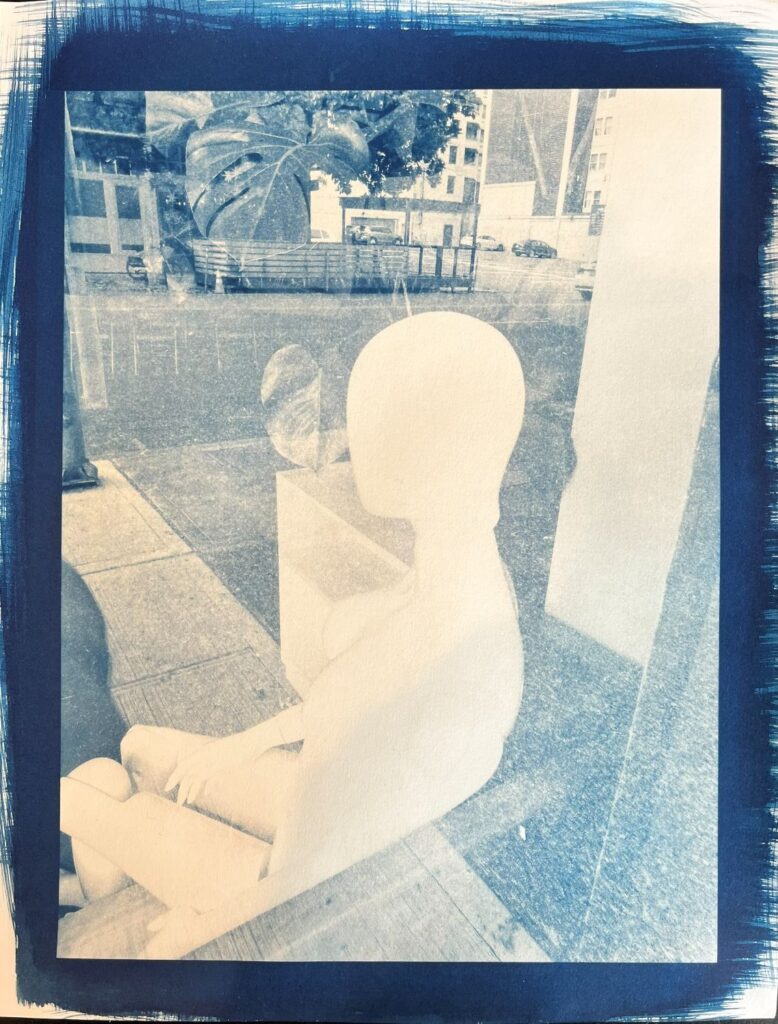
In July 2025, artist and photographer Steven Miller taught a workshop that explored queer identity through photographic history, personal storytelling, and hands-on cyanotype printmaking. Steven kicked off the workshop with an in-depth lecture on queer photographers from the 1860s to the 1990s. The presentation addressed the historical erasure of LGBTQIA+ artists and emphasized photography as a tool for resistance and visibility. In the second session, students shared a brief portfolio before learning the fundamentals of cyanotype printing, from coating and exposing paper to developing two of their own archival prints from digital negatives. The group then reflected on the meaning behind their images and their connection to queer identity. The workshop concluded with a take-home resource list, empowering participants to continue exploring cyanotype printing as both a creative and political act.
Image Credit: Bianca Recuenco
Image Credit: Steven Miller
“Everyone was enthusiastic and passionate about photography …the instructor had such a rich depth of knowledge, that it seemed everyone learned something new…Discoveries included how varied all of our interpretations/perspectives are, and that it is a real gift to witness others’ perspectives. I really grow as an artist when I commune with other artists” – Ellen, Workshop Participant.
Image Credit: Patricia DeHart
Image Credit: Claire Cuccio
The Social Tool of Wabi Sabi: A Cross-Cultural Practice
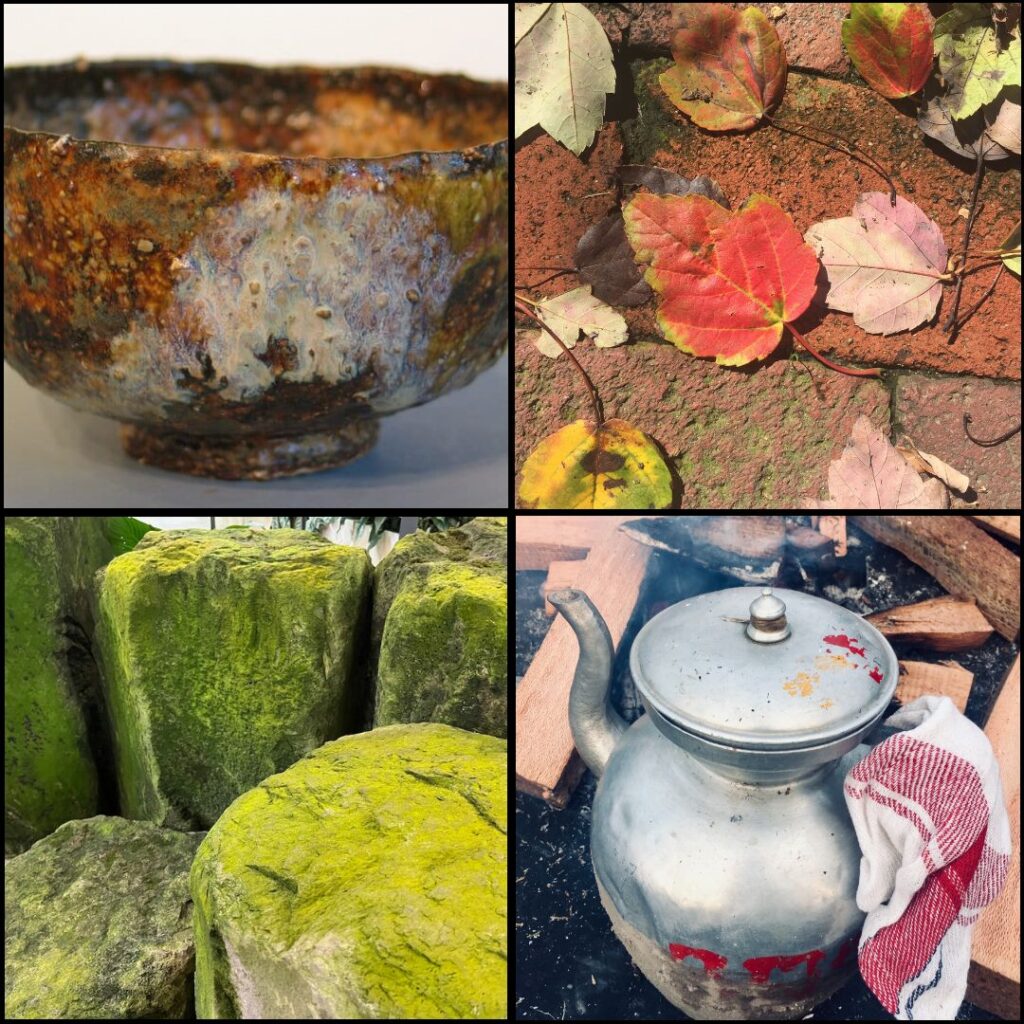
Also in July 2025, intercultural arts educator, writer, curator, and translator Claire Cuccio, taught a multiday workshop, The Social Tool of Japanese Wabi-Sabi: A Cross-Cultural Practice through Mobile Photographs. This in-person workshop explored the Japanese concept of wabi sabi—”beauty in imperfection”—as a social tool to challenge “imperfections” and prioritized repair in our relationships and communities. Students learned about wabi sabi’s cultural origins in 16th century Japan, learned how wabi sabi expanded globally, and explored wabi sabi in the Pacific Northwest. Through the students’ photographs interpreting wabi sabi, the group learned how their work encourages improved human relationships.
“Meeting other photographers from a variety of backgrounds and age groups was incredibly rewarding because each participant had a unique approach to the assignments…Because the workshop was free, I believe many people came who might not have been able to if there were specific costs involved and gear needed. This not only allowed for diversity in participants but also a rich gathering of ideas and talents.” – Julie, Workshop Participant
Image Credit: Julie Biggs
Image Credit: Maddy Mondon
Memory & Healing: Photographic Archives of Marginalized Experiences
In September 2025, artist Zorn B. Taylor led a workshop that explored photography’s dual role as both documentation tool and catalyst for community healing. Students learned archival photography techniques, ethical approaches to documenting community stories, and methods for creating visual narratives that honor and amplify marginalized voices. The workshop emphasized understanding the historical context of visual archives, developing ethical documentation approaches, exploring healing through visibility, and building technical skills that serve community-driven documentation needs. Students learned through a combination of instructor-led presentations, case study visits to local institutional collections, and discussions centered on developing personal projects.
Image Credit: Ana Lopez
Image Credit: Rubin Quarcoopome
Image Credit: Zorn Taylor
“This workshop made it so clear how critical archiving and preservation is, especially, to BIPOC communities. It is a vital tool for combating the erasure that the current political establishment seems obsessed with enacting. I enjoyed hearing the stories – often impactful, some devastating, each courageously shared – and seeing the different ways that enshrining work proves to be a cathartic, emotionally raw, and necessary action. Archiving and storytelling are as much acts of rebellion as they are love or remembrance.” – Rubin Quarcoopome, Workshop participant
Image Credit: Rubin Quarcoopome
We’re working on plans for our 2026 series, and we invite you to stay connected for what’s to come with future sessions of Photography as an Agent of Change!